1%
Stations · Coach the Coach
COACH THE COACH · THE CARRY

Coach the
carry.

Here's the flip most parents get backwards: "kids can't lift weights — wait for the gym." But the load self-limits — the grip gives out first — and carrying real things is exactly what builds the strength. It's the most life-woven strength there is, and it quietly builds both multipliers — grip and core — at once. This page teaches you to read a tall, braced, un-leaning carry.

▶ Run the station Where you are & what's next
1 · SEE IT

What good looks like.

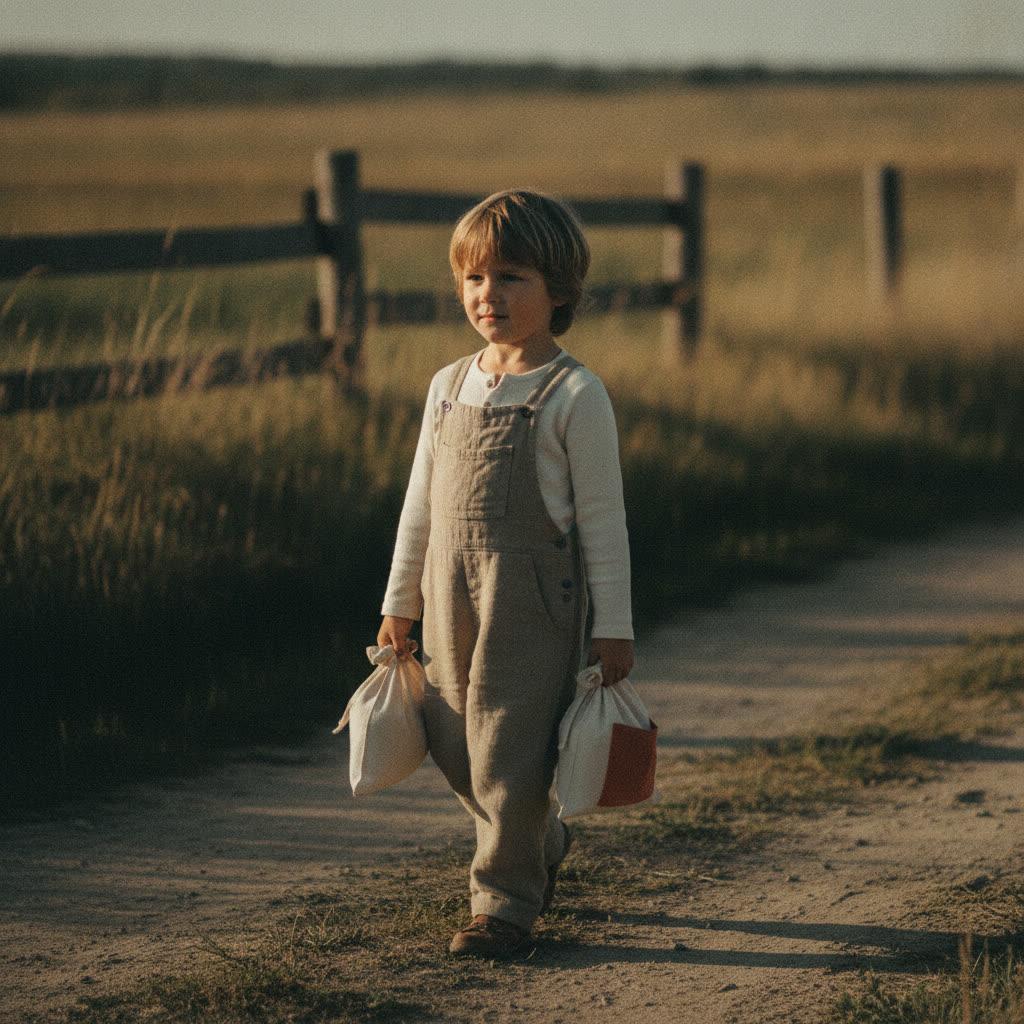
A good carry stands tall and doesn't let the load pull it over — a string lifting the head to the sky, shoulders level. Cue it as a picture: "carry it like you're proud of it." The money version is the one-sided (suitcase) carry, where the whole job is resisting the lean.

The climb runs from a light two-hand carry to one-side suitcase carries to hauling over rough ground — but it all sits on one thing: stay tall, don't lean.

Carry · the flow
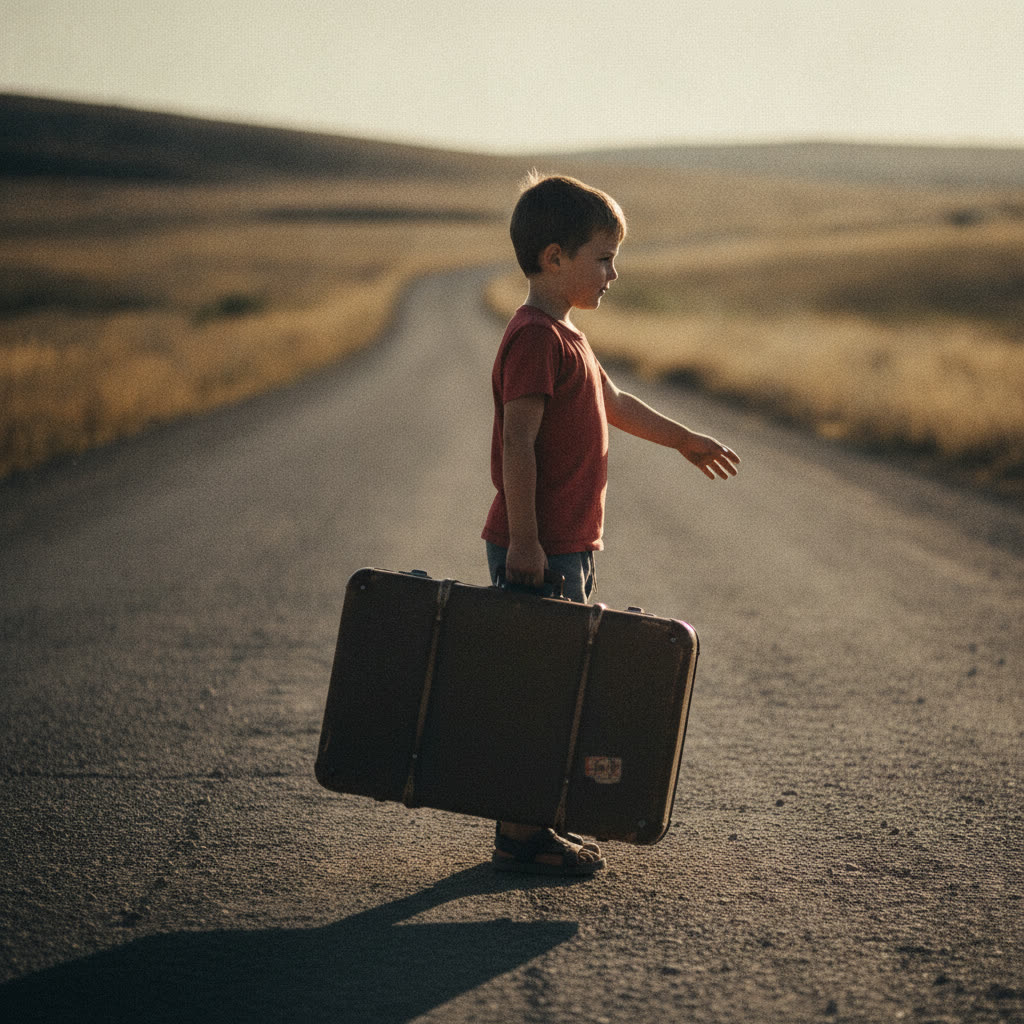
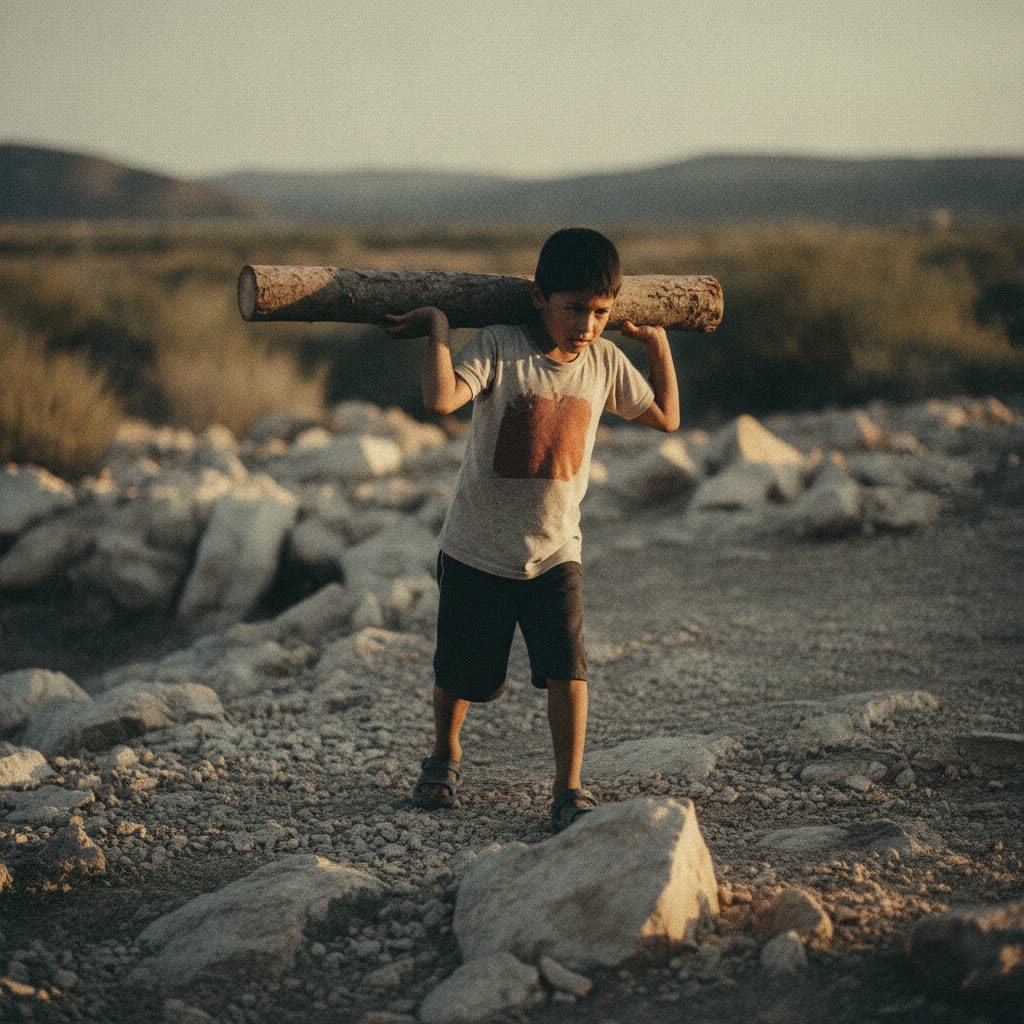
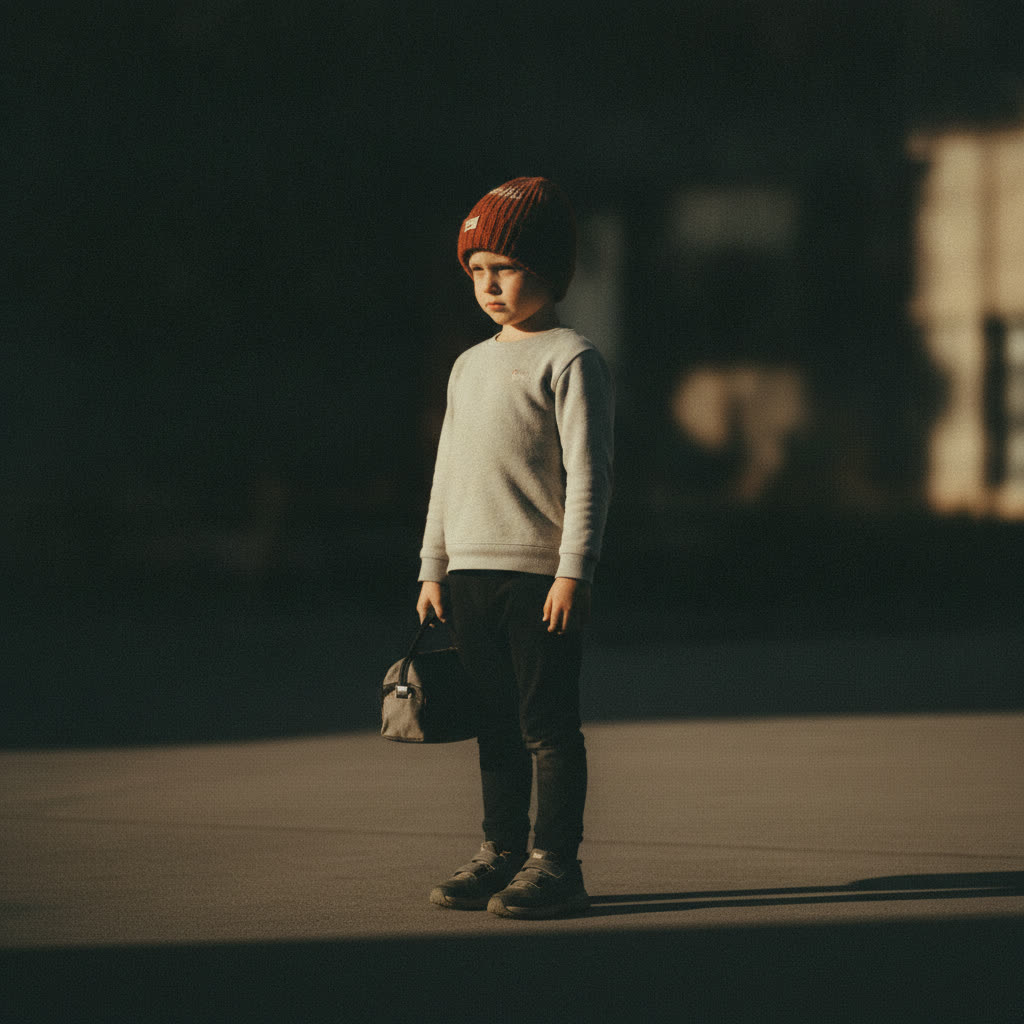
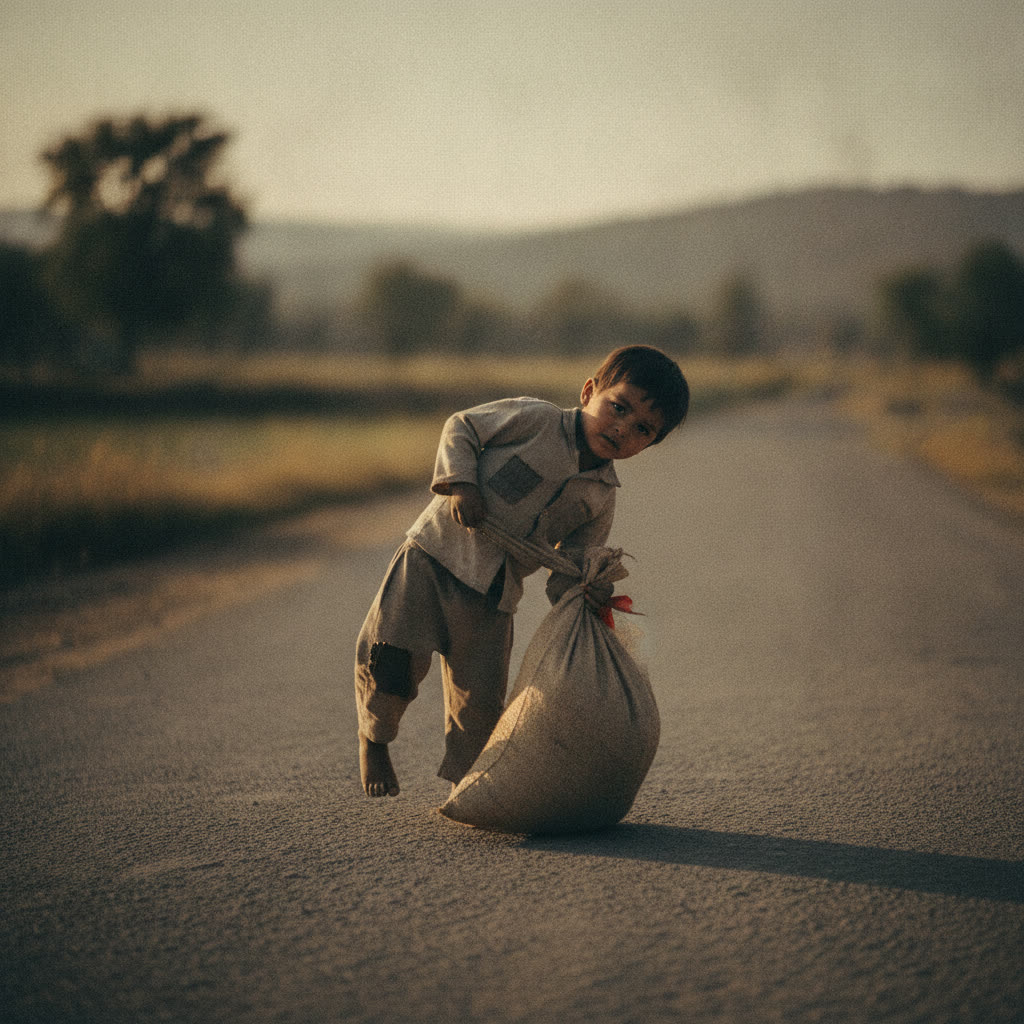
A child carrying an object tall and level A child doing a two-hand farmer carry, standing tall A child doing a one-side suitcase carry, resisting the lean A child carrying an object over rough terrain
Carry it

Good vs. the tell — train your eye.

Two faults you'll actually see. Spot them and you're coaching.

Child carrying a load tall and level, shoulders even
Good · tall & level
Body dead-vertical, resisting the pull, shoulders level — proud.
Child leaning into a load, one hip jutting out
Watch · leaning into the load
Tilting toward the weight, one hip jutting out — the side-lean.
Child carrying upright, shoulders back and proud
Good · proud & upright
Tall, shoulders back, a string pulling the head to the sky.
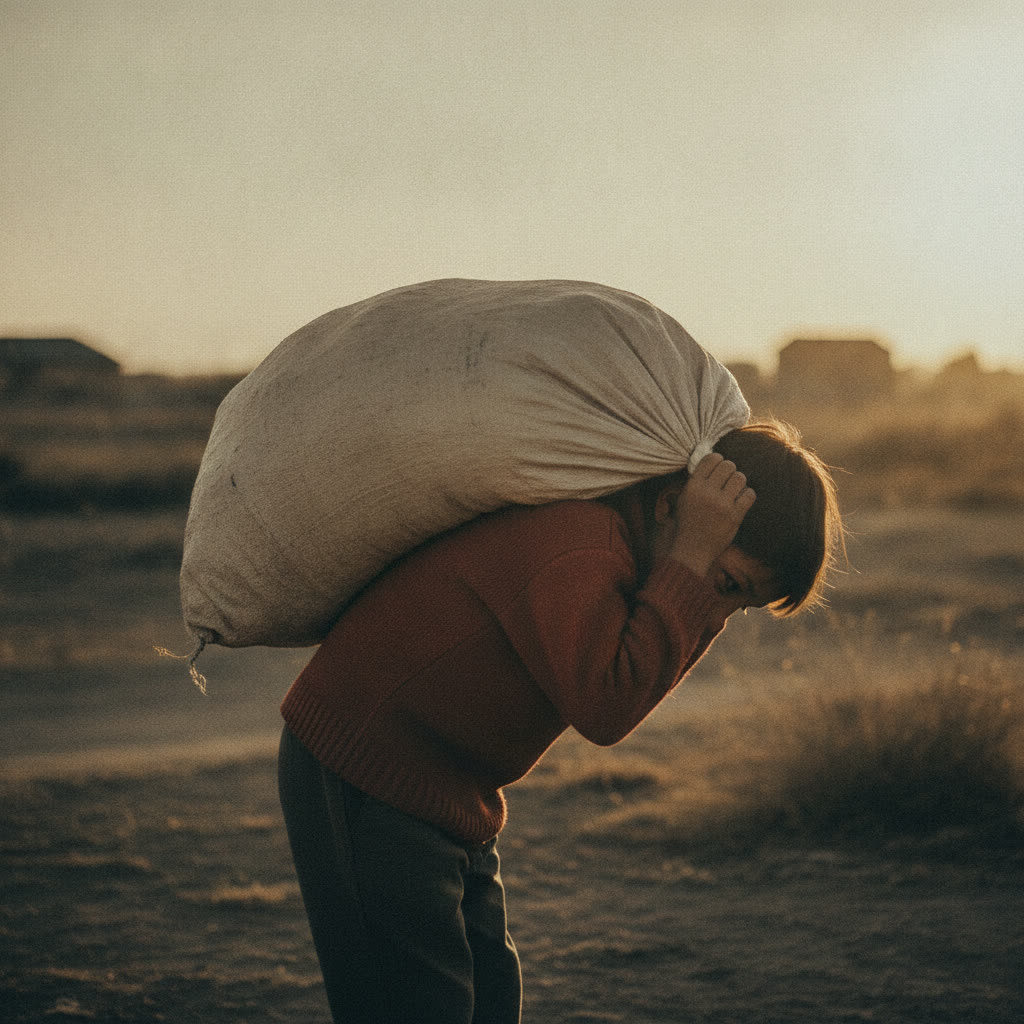
Child hunched under a load, back rounding
Watch · hunched under it
Rounded, slumped shoulders, back caving under the load.
2 · RUN IT

The flow.

Setup

Whatever's around

Grocery bags, a water jug, a log, a stack of books. No gear, no gym — carrying is everywhere. Pick something they can hold tall without a fight.

The play

Pick it up & walk

Two-hand farmer carryone-side suitcase → overhead → over terrain. Walk tall. "Ferry the firewood," "help me move this."

Dosage

Light first

The grip is the limiter, so it's self-regulating — they set it down when they're done. Start light and short; let the distance and load grow on their own.

Make it a game

Give it a job

"Help me move this." A carry relay, ferry the firewood, haul the groceries in. The task does the work — you never say "grip harder."

THE SAFETY LINE

Supervised, technique-first carrying is safe and growth-plate-safe (NSCA). No maximal loads — go light first. Keep the body tall; don't let them muscle a heavy object with a rounded back. Clear the path — carrying is about the load and the footing. The hazard is a too-heavy load or a tripping hazard, not the carry itself.

3 · COACH IT

Best practices.

The cue

"Stand tall — don't let it pull you over. Carry it like you're proud of it." A picture, not "brace your core." Tall and level is the whole difference between a strong carry and a lean.

Watch for

Leaning toward or away from the load · hips shifting out to the side · rounding / collapsing (hunched) · dropping it early. Coach the one that shows most.

The fix

"Tall and level, string to the sky." The one-sided (suitcase) carry is the money version — resisting the lean is the whole point. Too heavy → lighter object so they carry it tall.

Parent traps

Too heavy too soon · letting them lean or hunch to muscle it · making it a "workout" instead of a helpful game · both-hands only — the one-side anti-lean is the gold.

Keep it play

Carry the groceries, a water jug, a log — "help me move this." Light first. Grip self-limits, so they set it down when they're done — you can't over-train a carry.

4 · WHERE YOU ARE → WHAT'S NEXT

The climb.

One ladder for every age — a toddler ferries a light bag, a 9-year-old hauls a log over rough ground. Mastery moves you, never age. The tell that it's time to level up: they carry it tall, level, no lean. Then add one demand.

baseCarry a light object a short way
challengeTwo-hand farmer carry — tall & level
layerOne-side suitcase carry — resist the lean
layerOverhead / waiter carry · odd, uneven objects
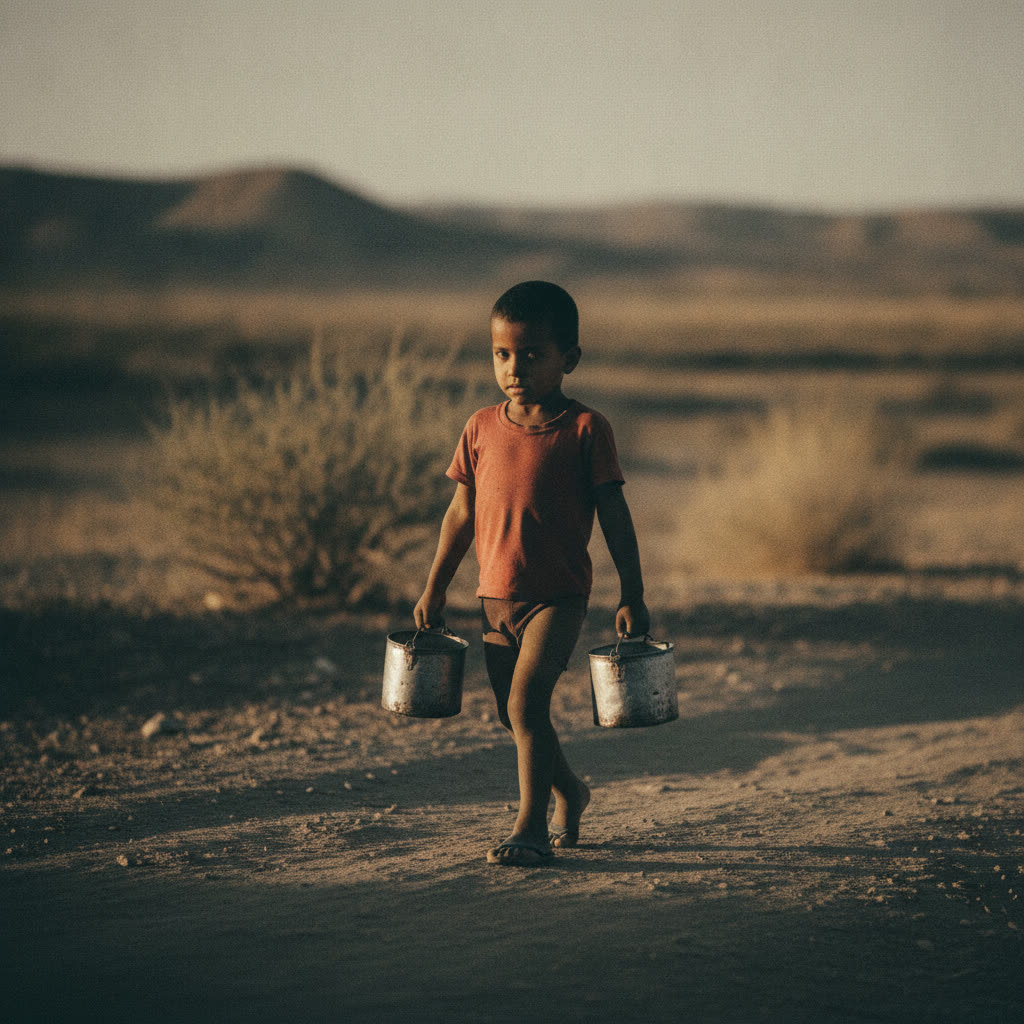
layerCarry + walk over terrain & obstacles · heavier & longer
TOO EASY? LEVEL UP

Add one at a time — chase the one-side anti-lean before you add weight:

  • One side (suitcase) — carry the load in ONE hand; the body fights the sideways lean (the money version).
  • Overhead — press the load overhead and walk tall; shoulders stacked, ribs down.
  • Odd, uneven object — carry a log, a sandbag, a wriggly sibling; the shifting load makes the core work harder.
  • Over terrain — carry it over bumpy ground, up a slope, around cones; balance under load.
  • Heavier & farther — add a little weight or distance, only once the posture stays tall.

The one-side anti-lean carry is the gold — chase that before you add weight.

What it unlocks — a strong, helpful body.

Carry real things, and real-world strength — plus both great multipliers — comes with it.

Carry is the base loaded real-world strength
Carrying anything — groceries, a sibling, gearReal-world strengthWork capacityMoving house / haulingFarm & yard work
It builds the two multipliers grip + core at once
Grip / strong handsBraced coreTrunk under loadPosture
For life the quiet strength
Good postureNot throwing your back outConfidence with loadA helpful body
THE WHOLE TRUTH · SO YOU DON'T OVERPROMISE

None of these is "just carry." Carrying over rough ground needs carry-strength + balance + grip; every foundation opens these same doors from a different side, and the play is where they combine — the test. (And note: carry is rare — it builds both great multipliers, grip AND core, in one move, so it's one of the highest bang-for-buck things a kid can do.)
5 · THE COACH'S CRAFT

Six rules that make you the coach.

1

Set a game, not a form cue

"Help me move this," a carry relay. The task pulls the effort out — you never say "brace your core."

2

Do it with them

Carry alongside them. A warm, together haul beats three done as a chore — and they'll copy your tall posture.

3

Watch one thing

Spot the loudest tell — usually the lean. Not everything at once; that's overwhelming, not coaching.

4

Fix with a picture

"String to the sky," "tall and level," "proud chest" — an image or a game, never "engage your core."

5

Progress, not perfection

Tall & light beats heavy & hunched. A clean, level carry today beats a load they have to lean into.

6

Let the grip be the clock

They set it down when they're done — that's the limit, self-set. Stop on any pain. You read the body, not a number.

Four of six now live. Balance · Hang · Crawl · Run the stations. Jump & stick and throw next.