1%
BUILD TO EXCELLENCE · NOT JUST "STARTED"

The foundations.

The shared capacities under every skill and subject. Each has a mastery arc that runs years past where everyone quits — and the height you build it to sets the ceiling on everything above. Six domains — body, mind, language, social, emotional, and creative — and the one dial under them all.

SIX DOMAINS · ONE METHOD

The whole child — in six domains.

Every skill and subject grows off a handful of foundations — and they cluster into six developmental domains. Each has a mastery arc that runs years past where most kids stop. Tap one to open it up. And under all six sits the one dial that multiplies them: regulation & character.
THE ART OF THE POSSIBLE · WATCH THE ARC

One foundation. Years of climbing.

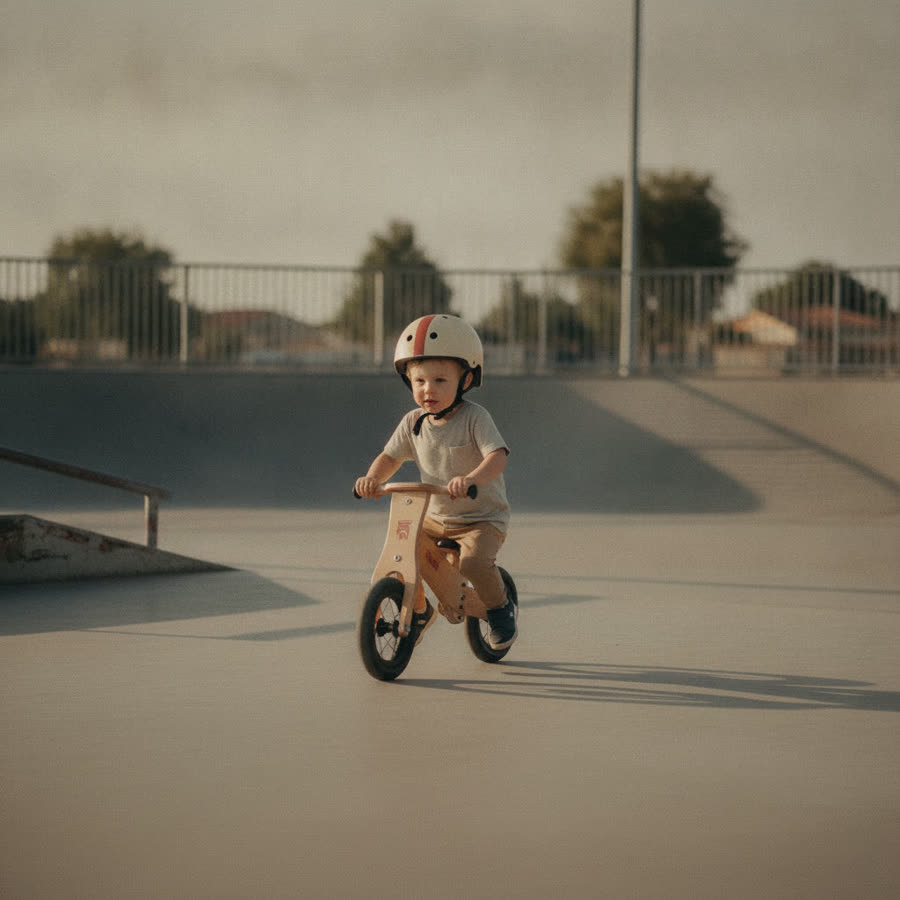
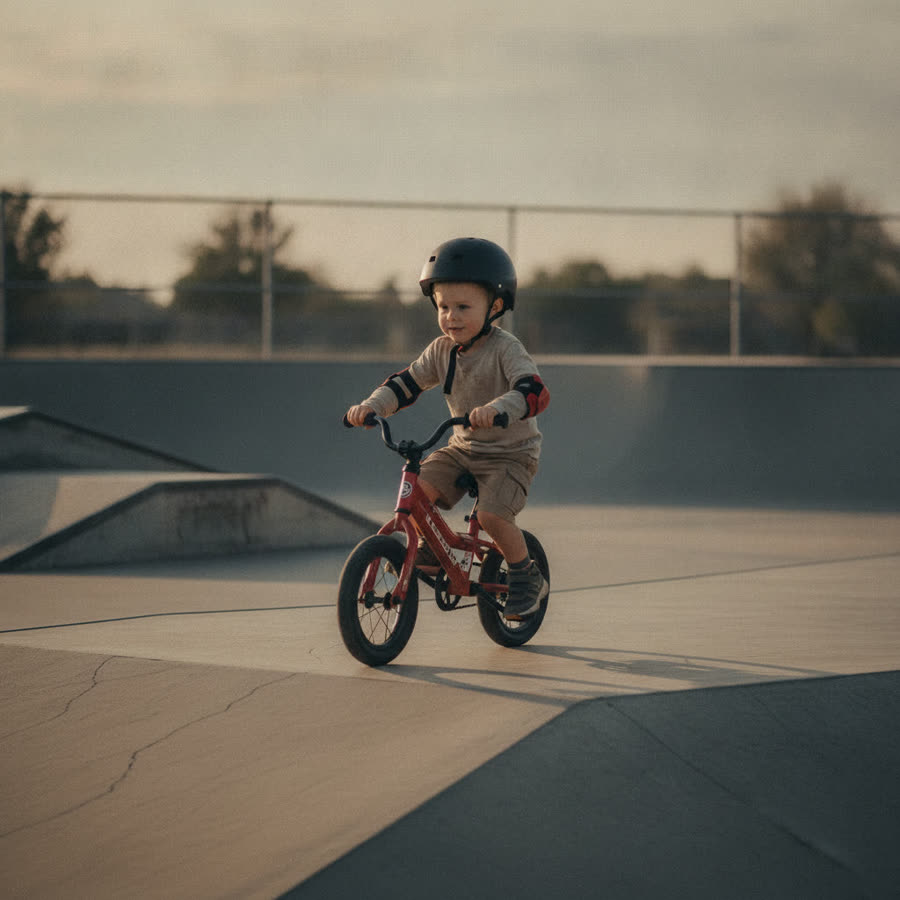
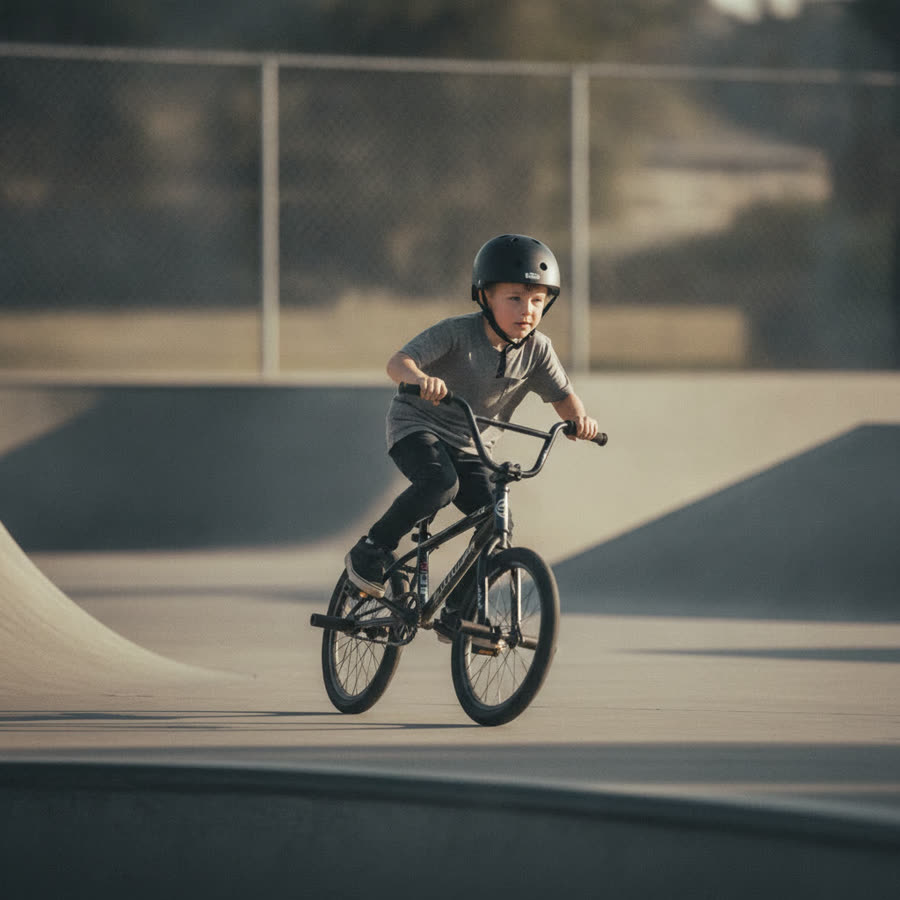
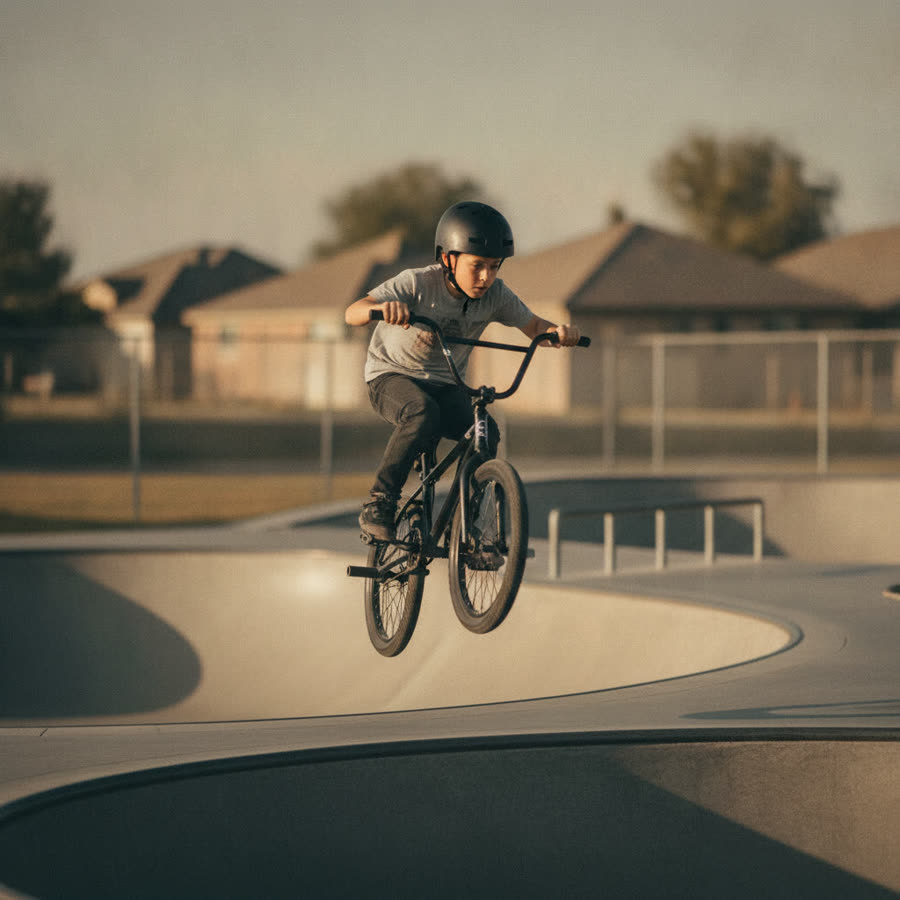
This is what mastering a foundation looks like over time. Balance isn't a milestone you tick at 2 — it's a base a child keeps building for years. Same helmet, same skatepark, a different rung each time.

Every block below climbs an arc like this — emerging → elite — years past where most kids stop; each card names what elite looks like. The height you build to quietly sets the ceiling on everything above. You don't age out; you climb.

Ride a bike · the arc
A 2-year-old on a balance bike A 4-year-old pedaling with no training wheels A 6-year-old riding a BMX hard A 9-year-old airborne off a skatepark ramp
Balance bike · ~2
READ THIS FIRST · OUTCOMES ARE NOT FOUNDATIONS

A foundation is a capacity you can build directly, that's shared across skills, with its own mastery arc. The magnetic words a coach sells — faster · stronger · more explosive · agile · higher vertical — fail that test: they're outcomes you measure, composites you can't rep. You never train "speed"; you train the blocks under it and speed is the readout. So we build the blocks, and treat every outcome as an honest promise that points down to them. (This is why "Power" is no longer a block here — it decomposed into Strength + Reactive Strength. Full rule: ARCHITECTURE.md.)

The physical base.

The blocks under the body — each with its own arc, from a toddler's first go to the elite version years later. (Rhythm's arc lives in the hinge below.)

Reactive strength · the arc
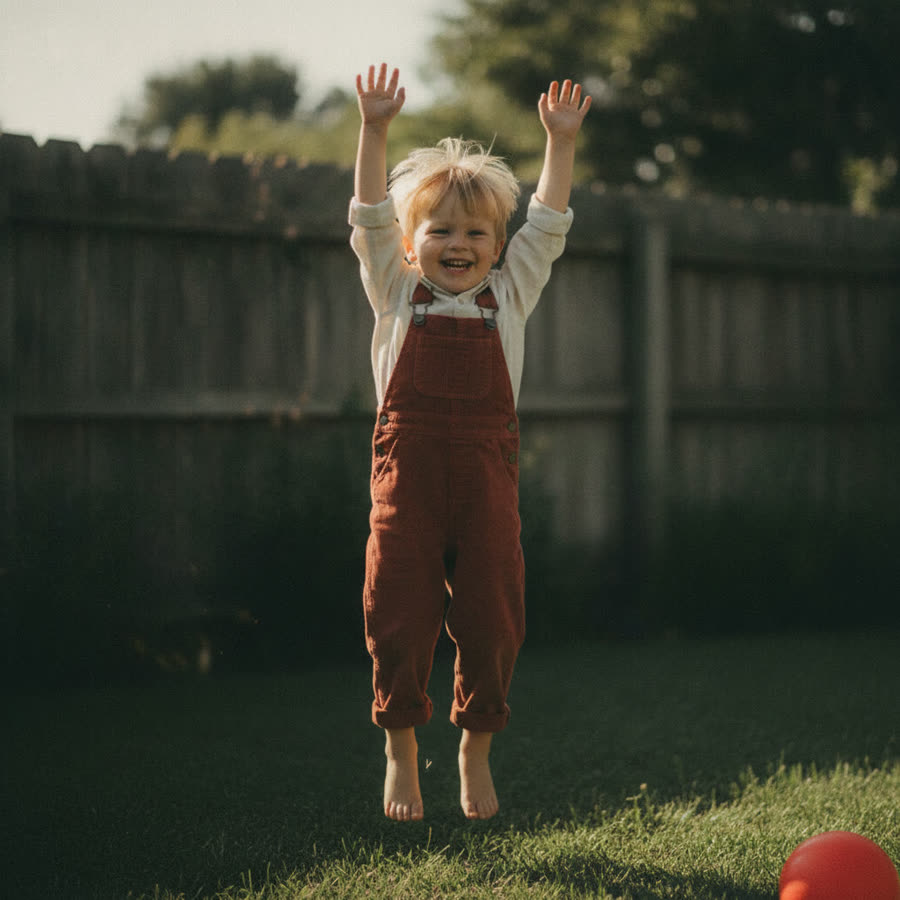
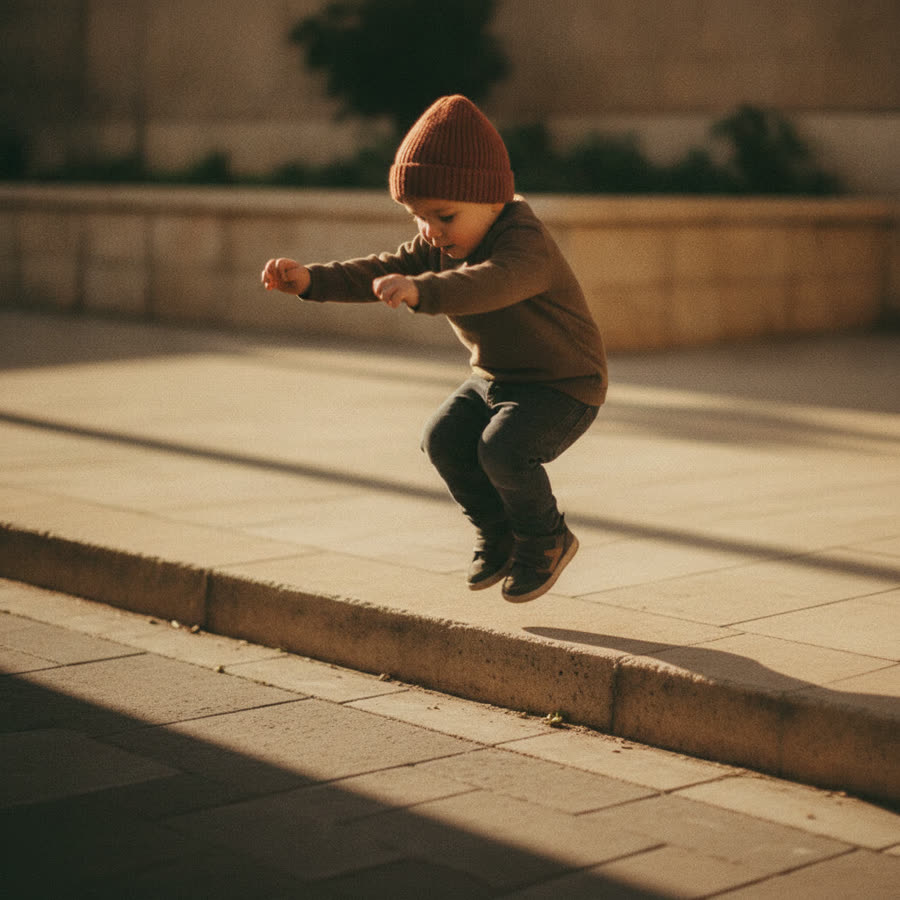
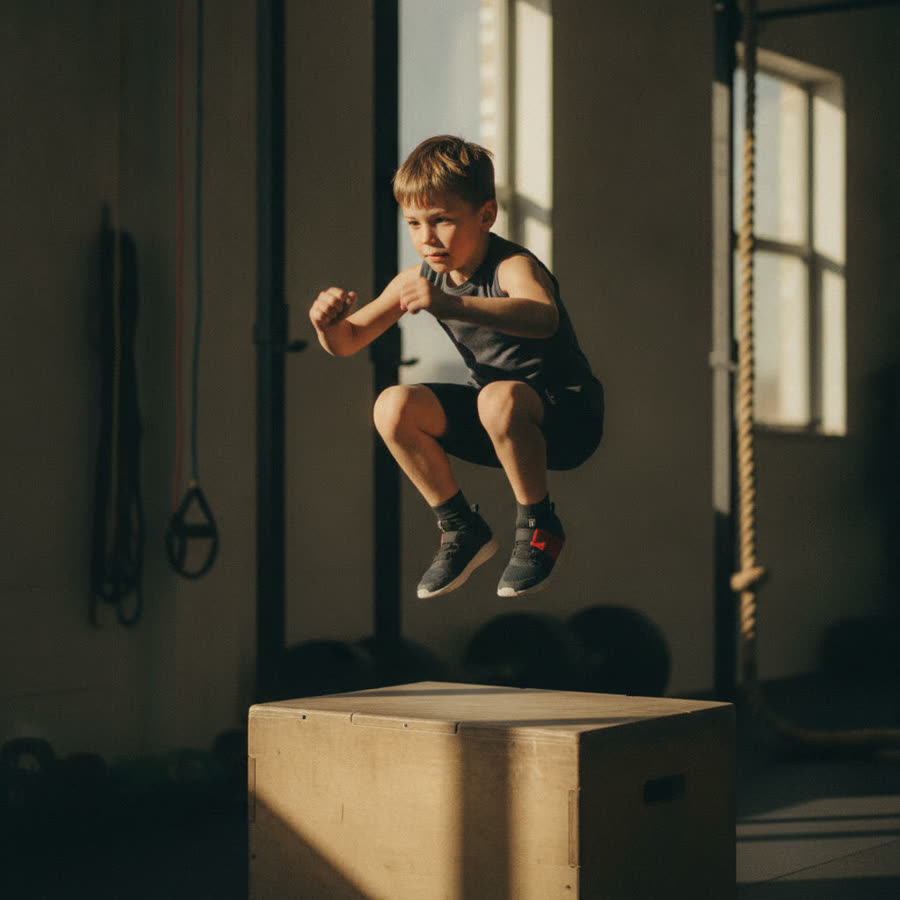
A toddler jumping with joy A child sticking a landing off a step A child doing a box jump A child airborne in a broad jump
Two-foot hop · ~2
Reactive Strength / Elasticity

Elite: minimal ground-contact, maximal rebound — a pogo-stick that steers. The elastic engine under faster · higher · explosive.
● Mastery arc live · the "explosive" engine
Rotation · the arc
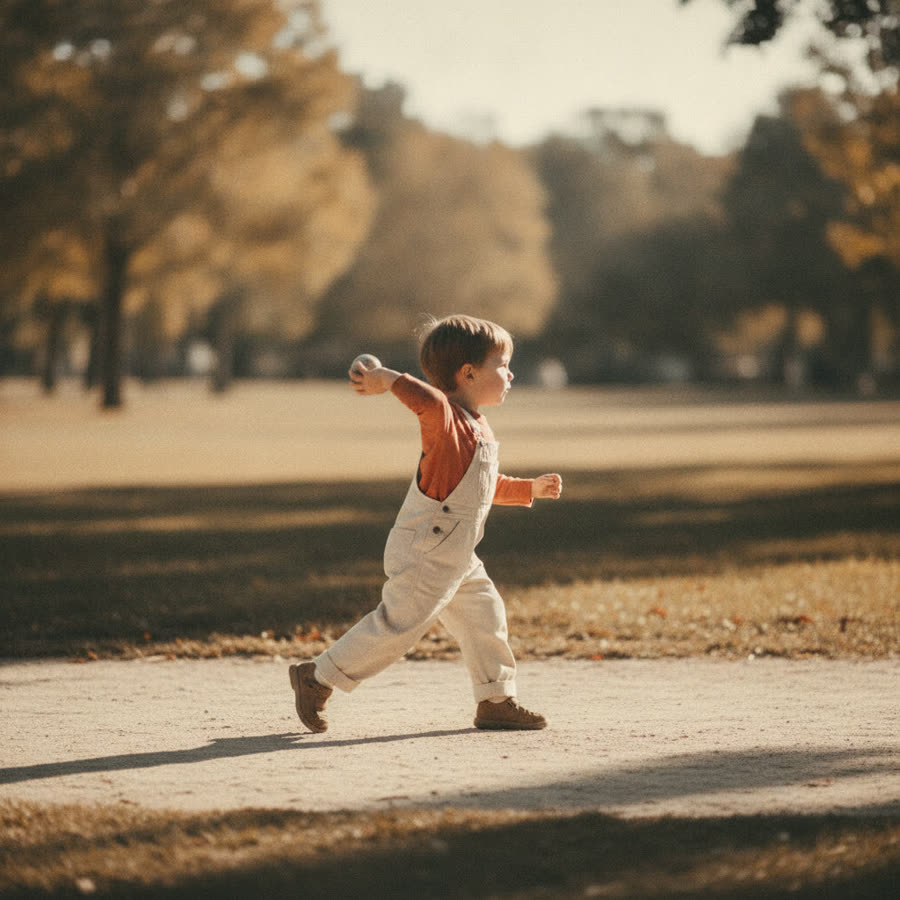
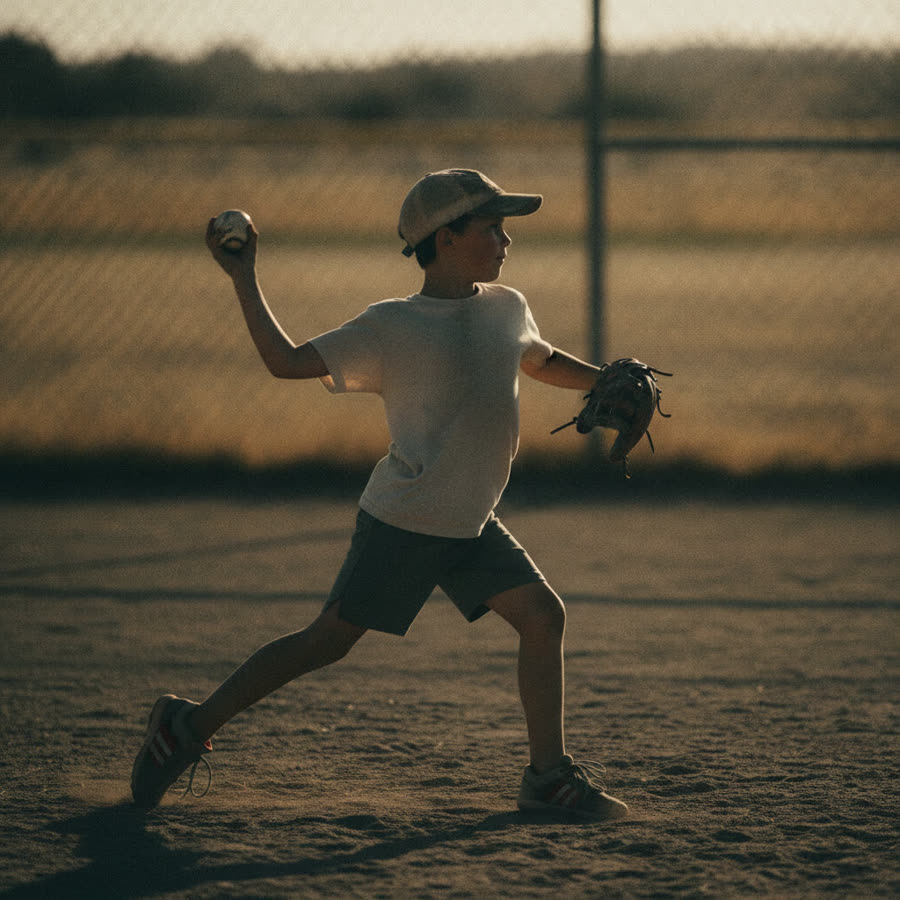
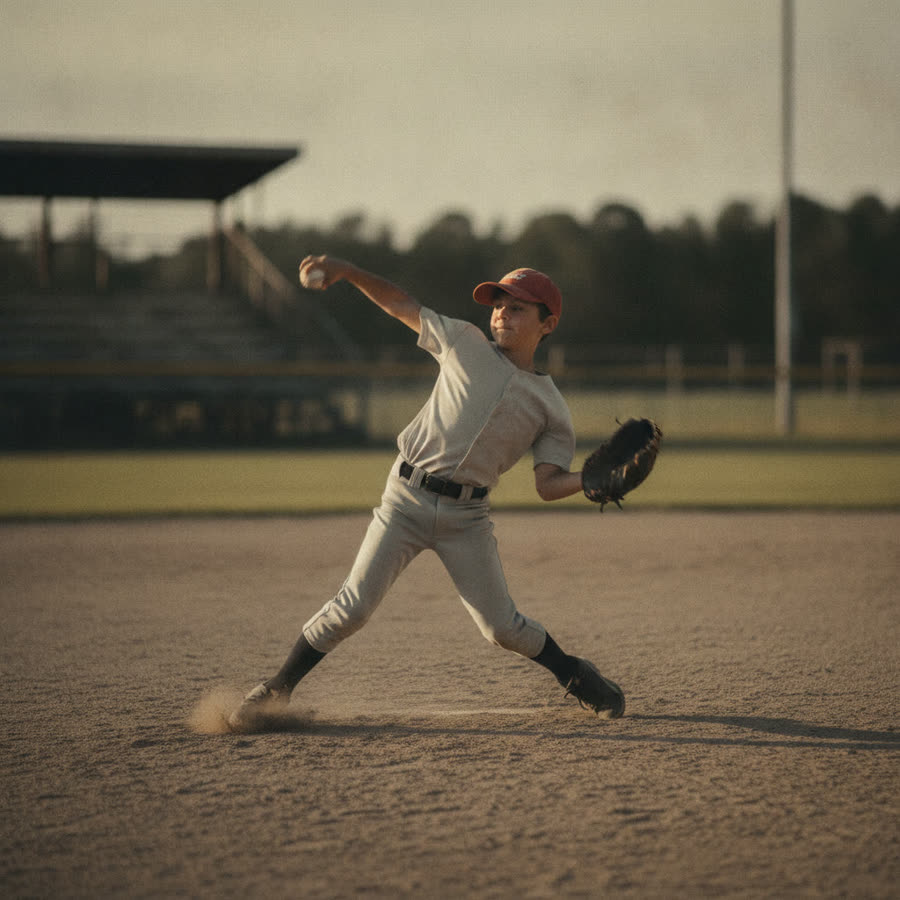
A toddler pushing a ball forward A child throwing overhand with a windup A child mid-throw with hip and shoulder rotation A child unleashing a powerful throw
Push the ball · ~2
Rotational Control

Elite: the timed whip — hip-before-shoulder separation, a clean proximal-to-distal wave. The shared engine under every throw & swing.

Mastery arc ready
Deceleration · the arc
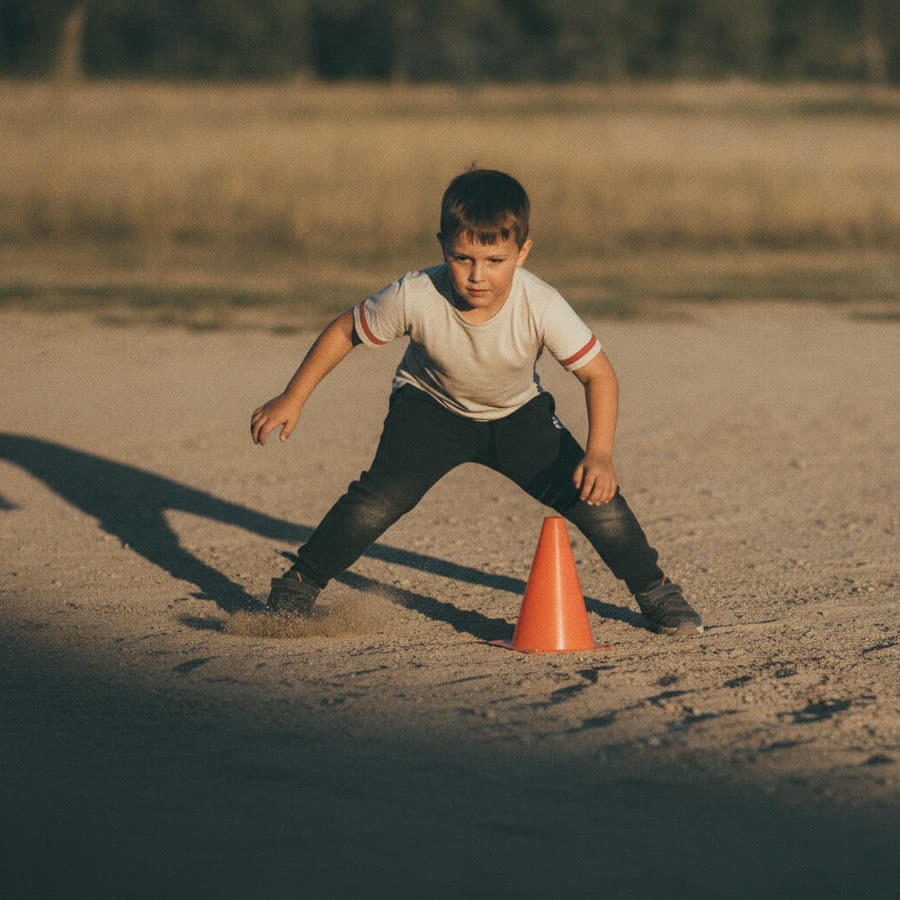
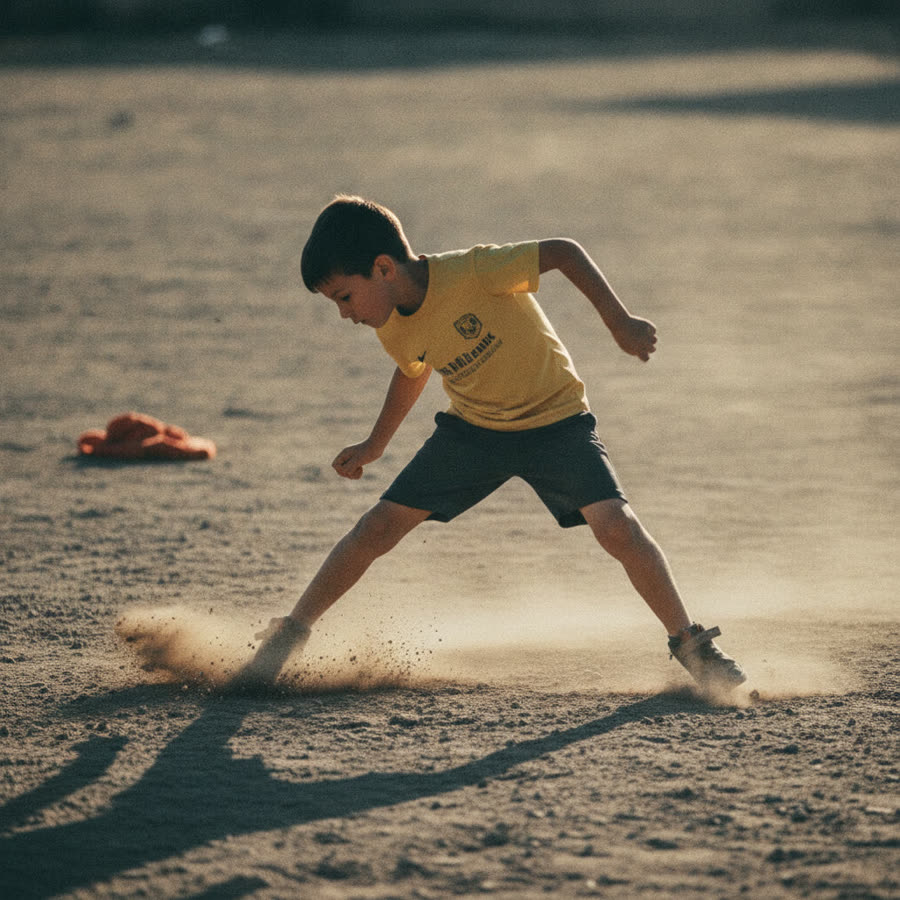
A child freezing in a soft stuck landing A child sticking a single-leg landing A child planting to change direction A child making a sharp reactive cut at speed
Stuck landing · ~3
Deceleration / Eccentric Control

Elite: stop from full speed, one leg, knees tracking, instant re-accel. What agility is really made of — and the injury-protective half nobody trains.

● Mastery arc live · the brake
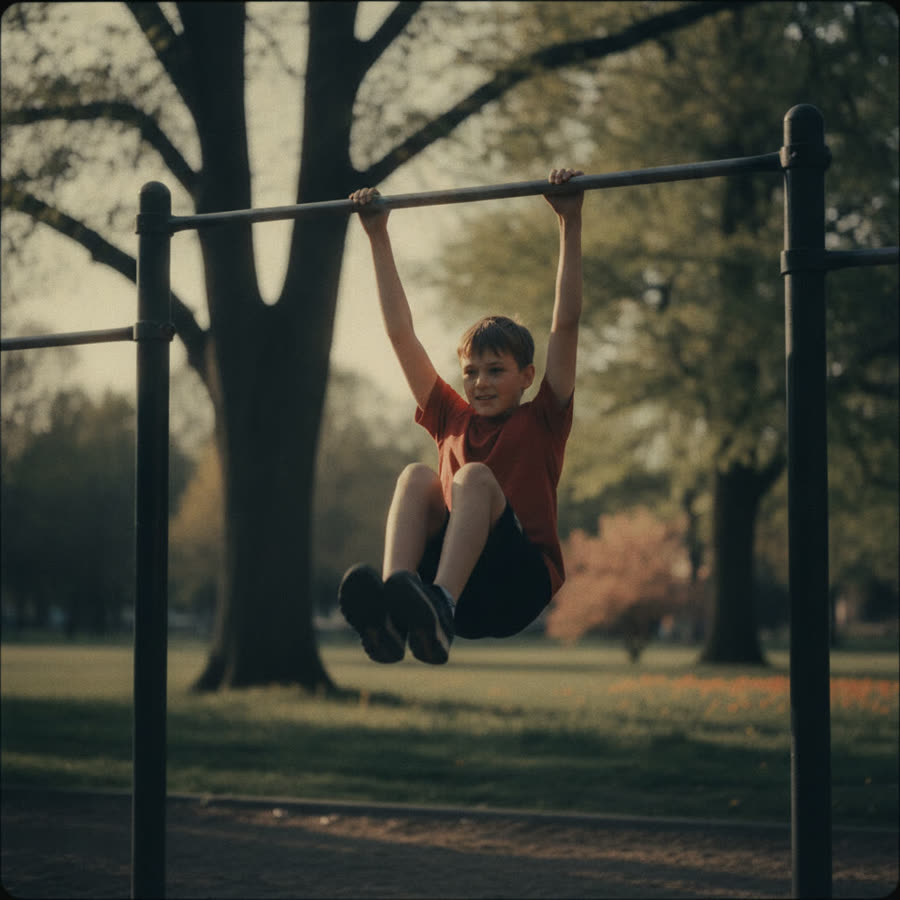
Grip & pull · the arc
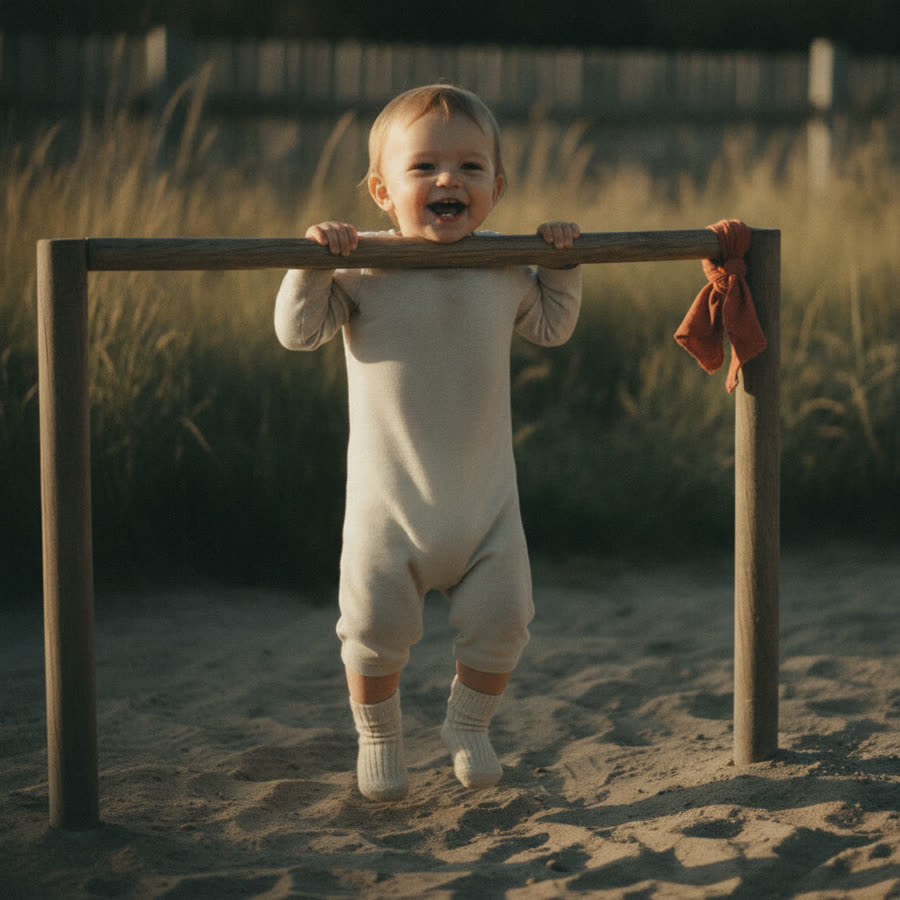
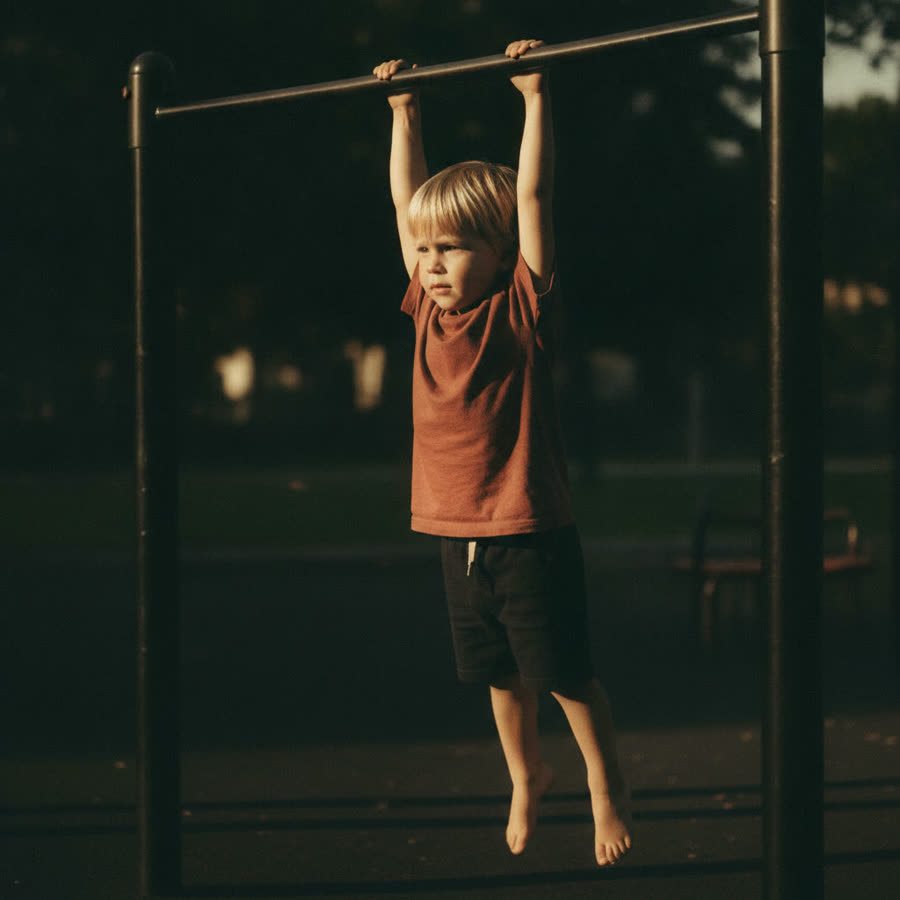
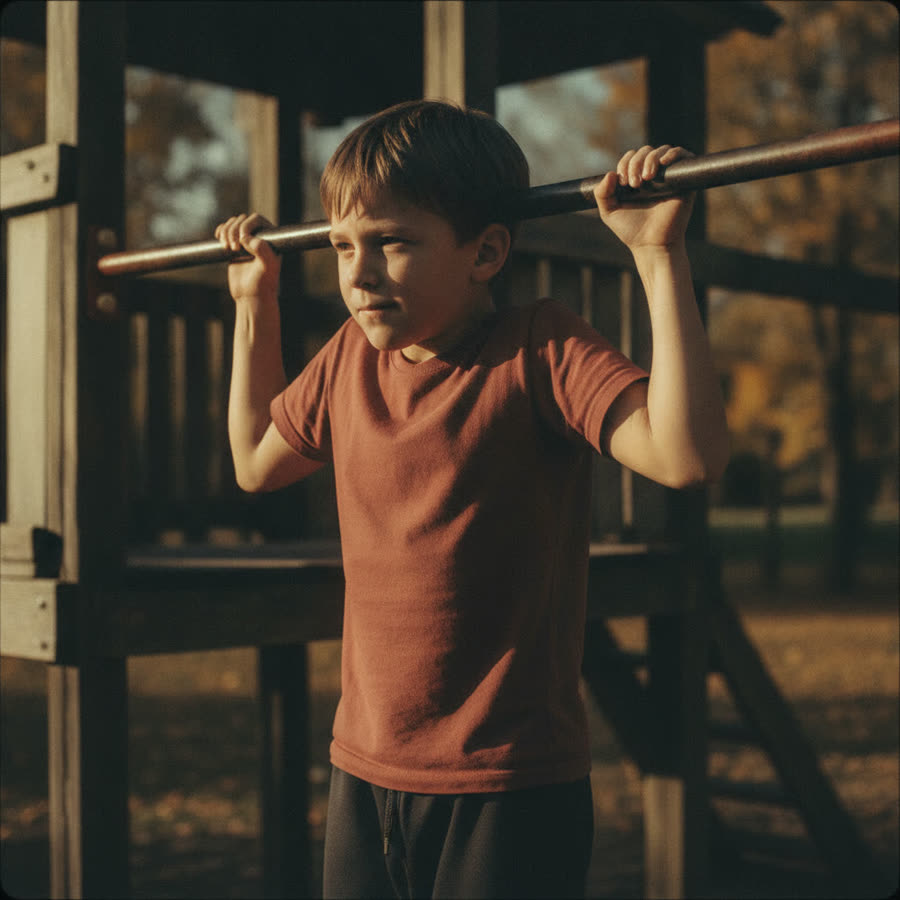
A toddler hanging from a low bar A child in a full dead hang A child doing a pull-up A child traversing monkey bars
Hang on · ~2
Strength / Force Production

Elite: produce and control force through full range (grip is a sub-capacity). The primitive that "power" decomposes into — trained as bodyweight play, growth-plate-safe.

Mastery arc ready
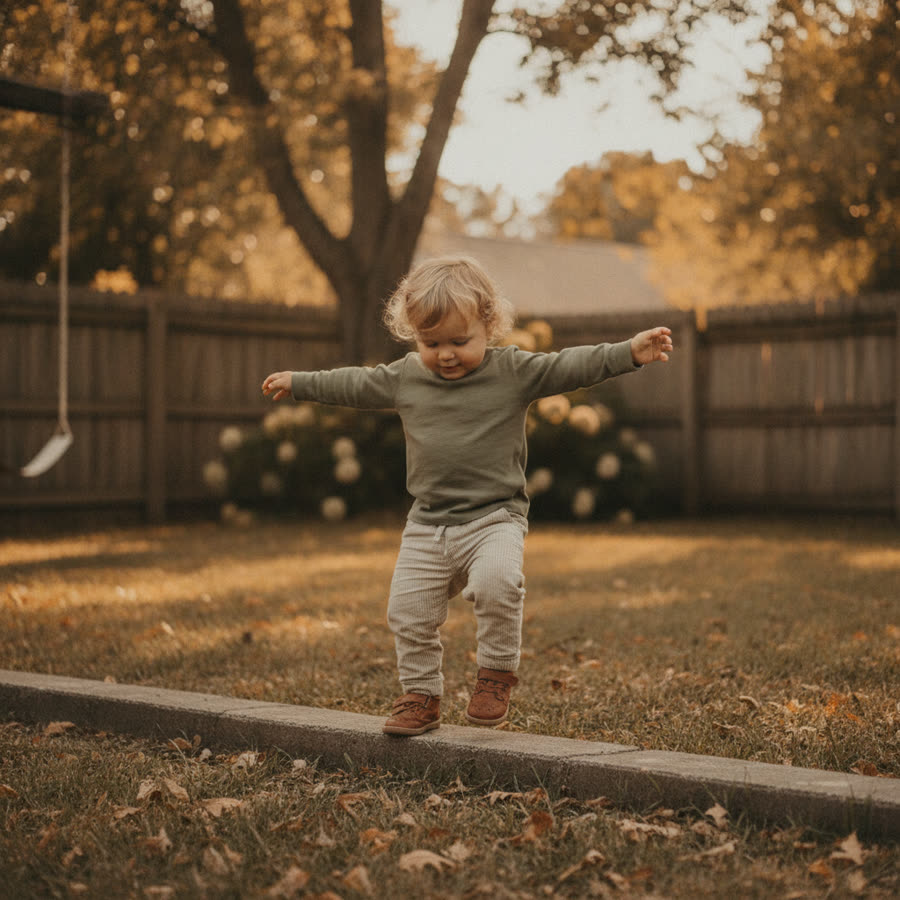
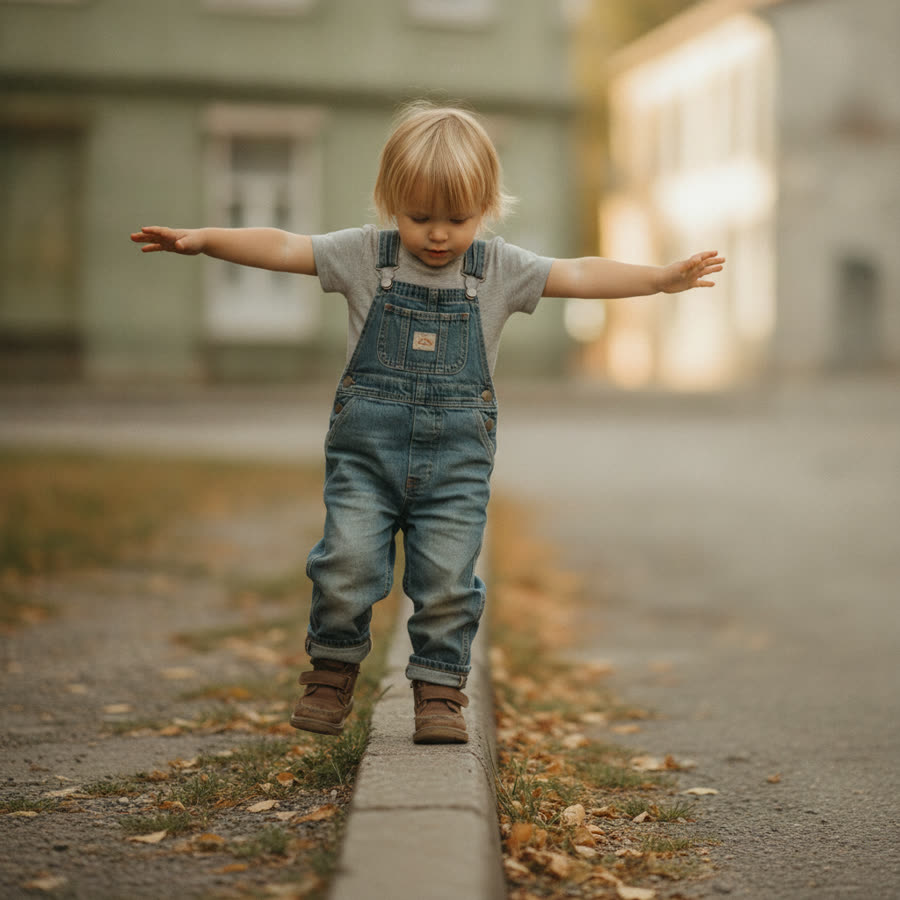
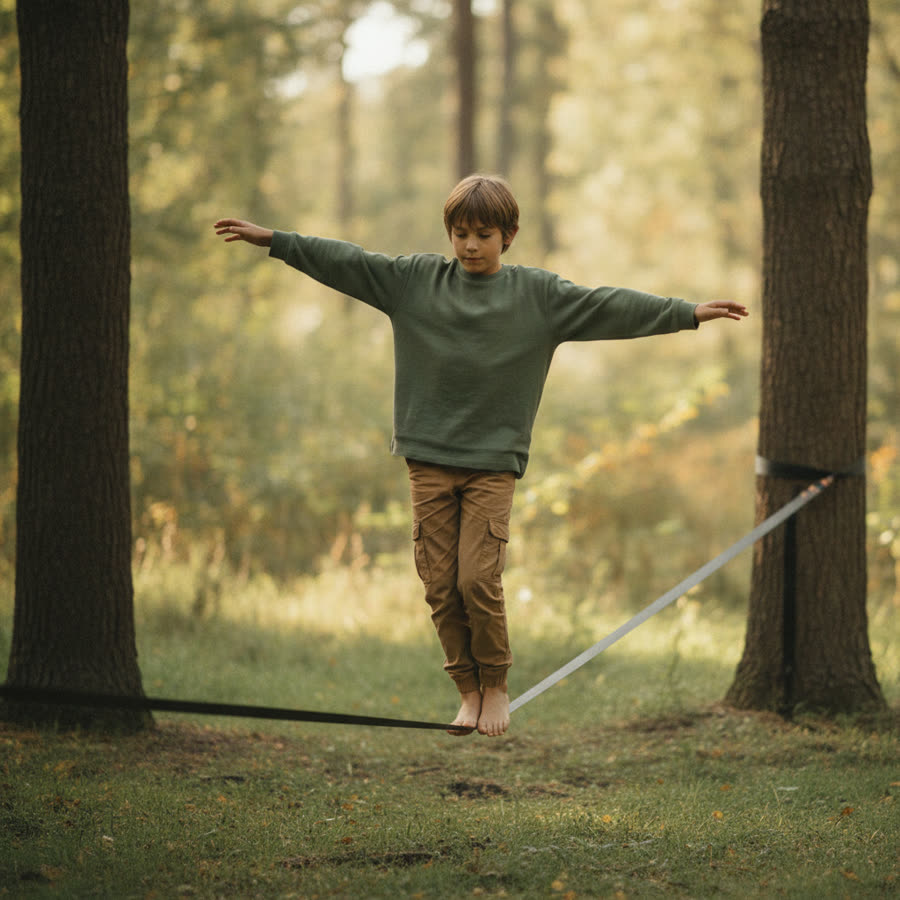
Balance · the arc
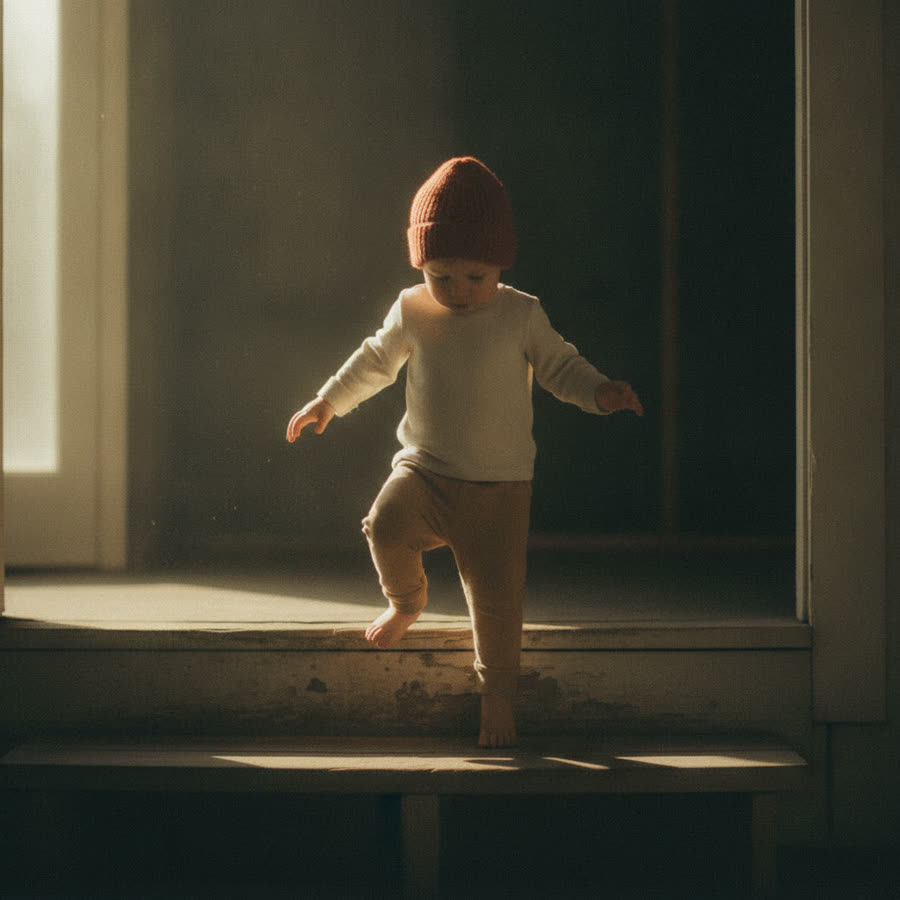
A toddler balancing on one foot on a low curb A child walking along a curb with arms out A child walking a balance beam A pre-teen balancing on a slackline
Wobble on the curb · ~2
Postural Stability & Balance

Elite: perturbation-proof, eyes-closed single-leg, recovers a trip without stepping — control that no longer needs attention.

● Mastery arc live
Body-sense · the arc
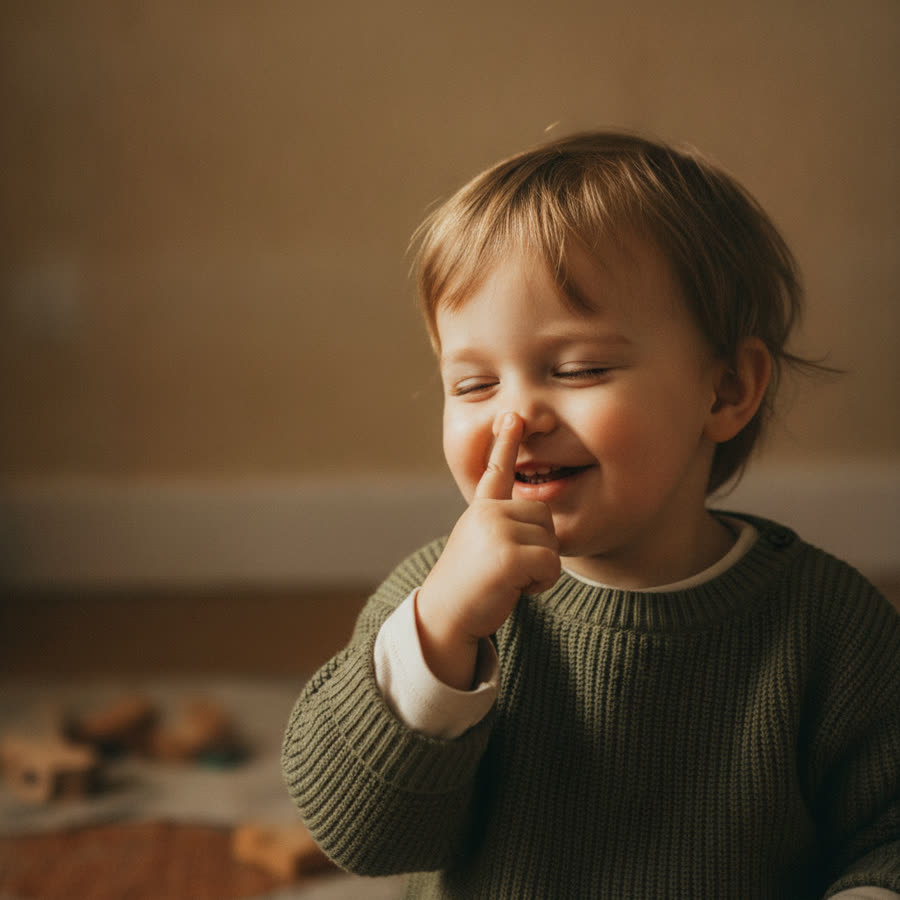
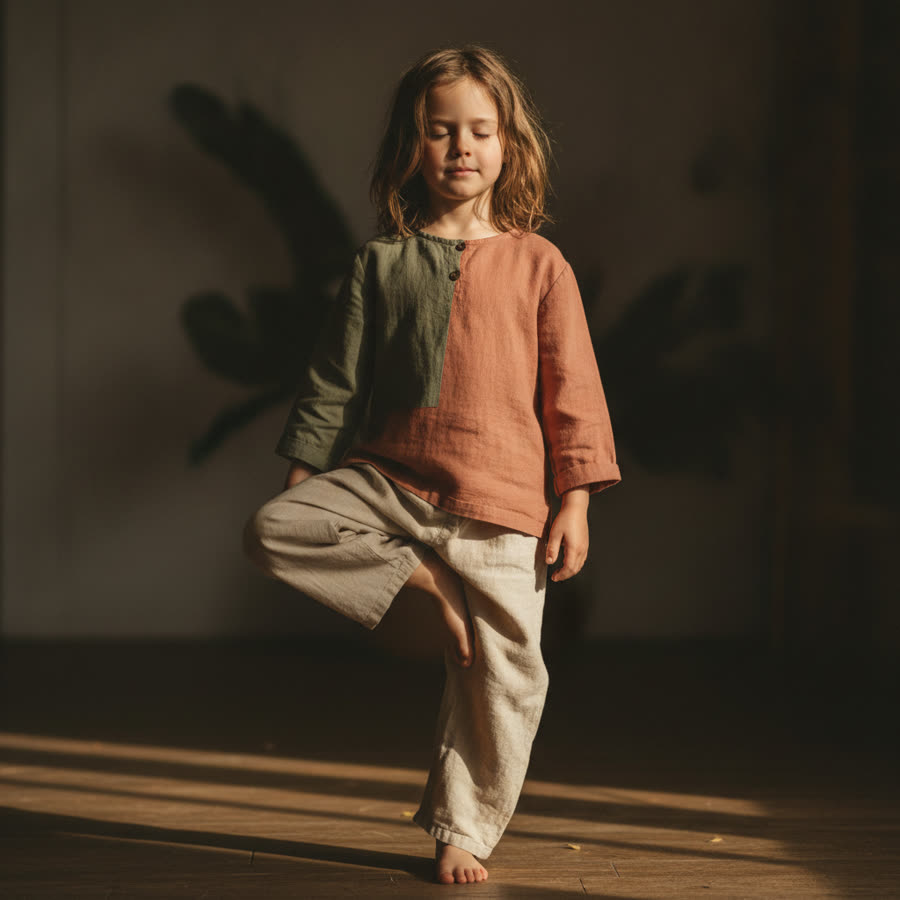
A toddler touching their nose with eyes closed A child holding a one-leg pose with eyes closed A child walking a line with eyes closed A pre-teen holding a single-leg balance with eyes closed
Eyes-closed nose touch · ~3
Proprioception

Elite: sub-degree acuity — fixes its own errors in-flight by feel, before the eyes catch them. Re-calibrates to a new tool in minutes.

Mastery arc ready
Fine motor · the arc
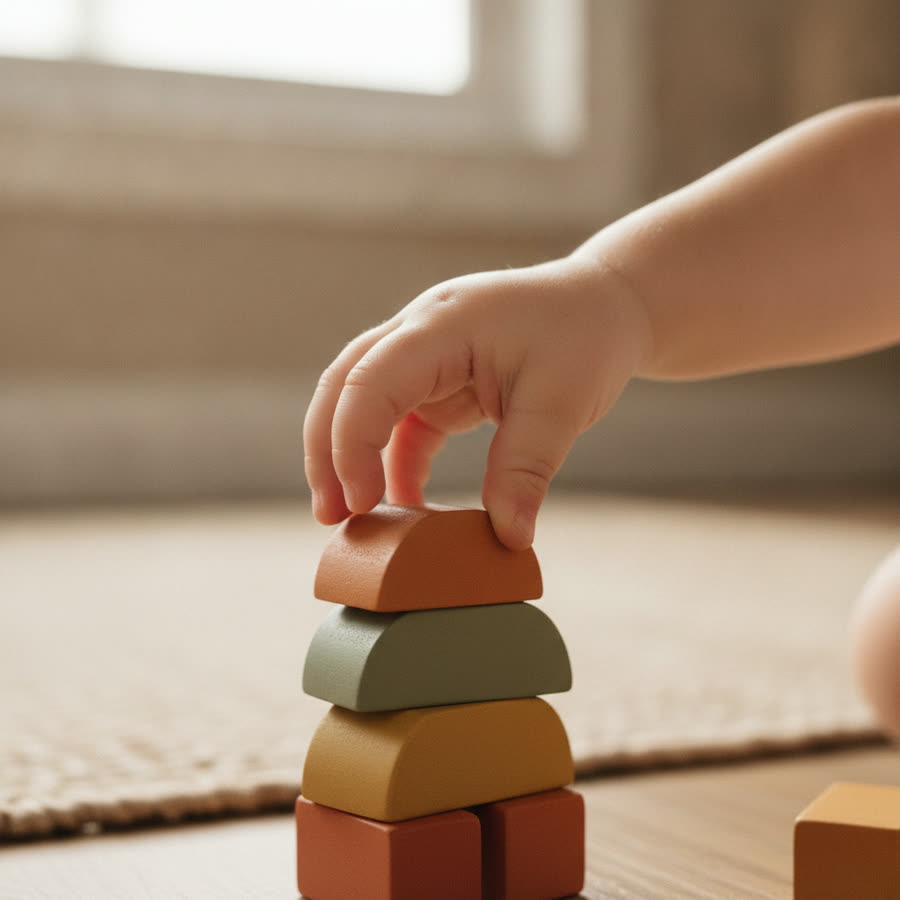
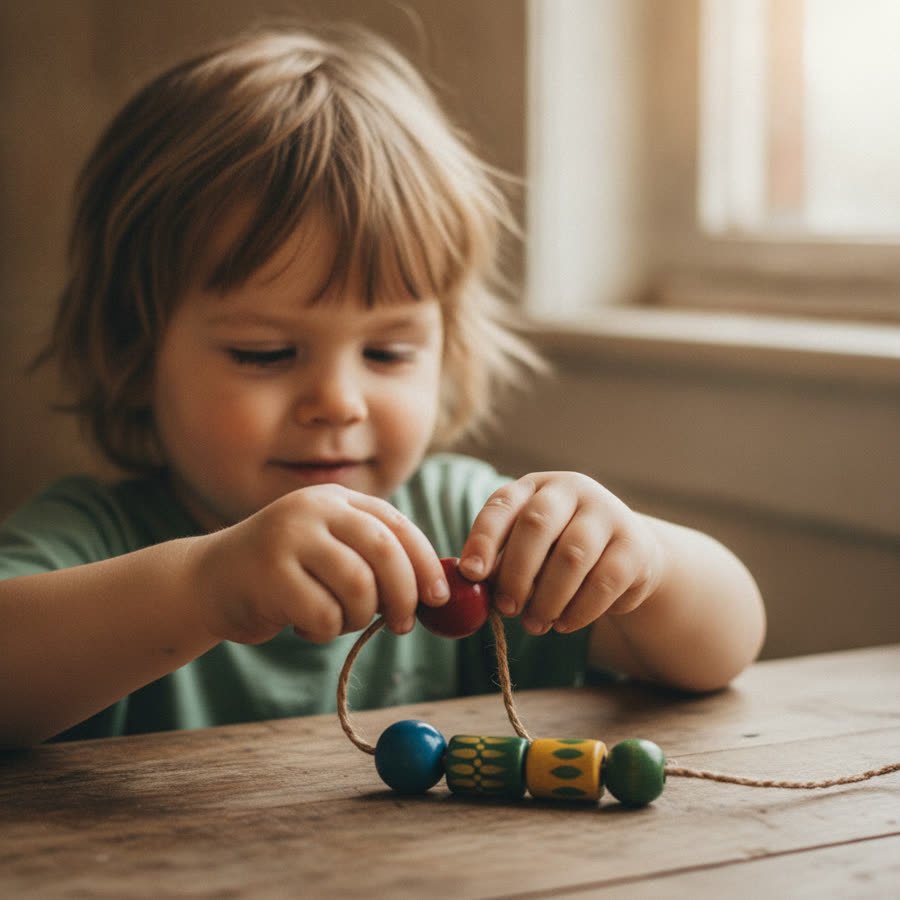
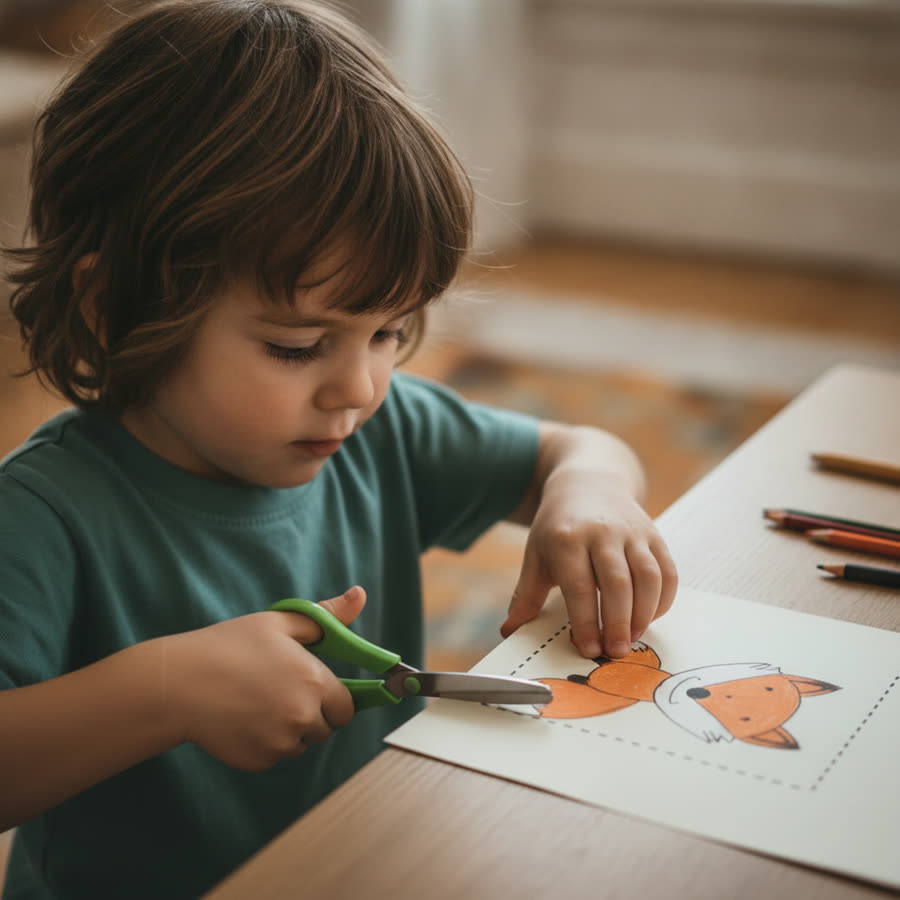
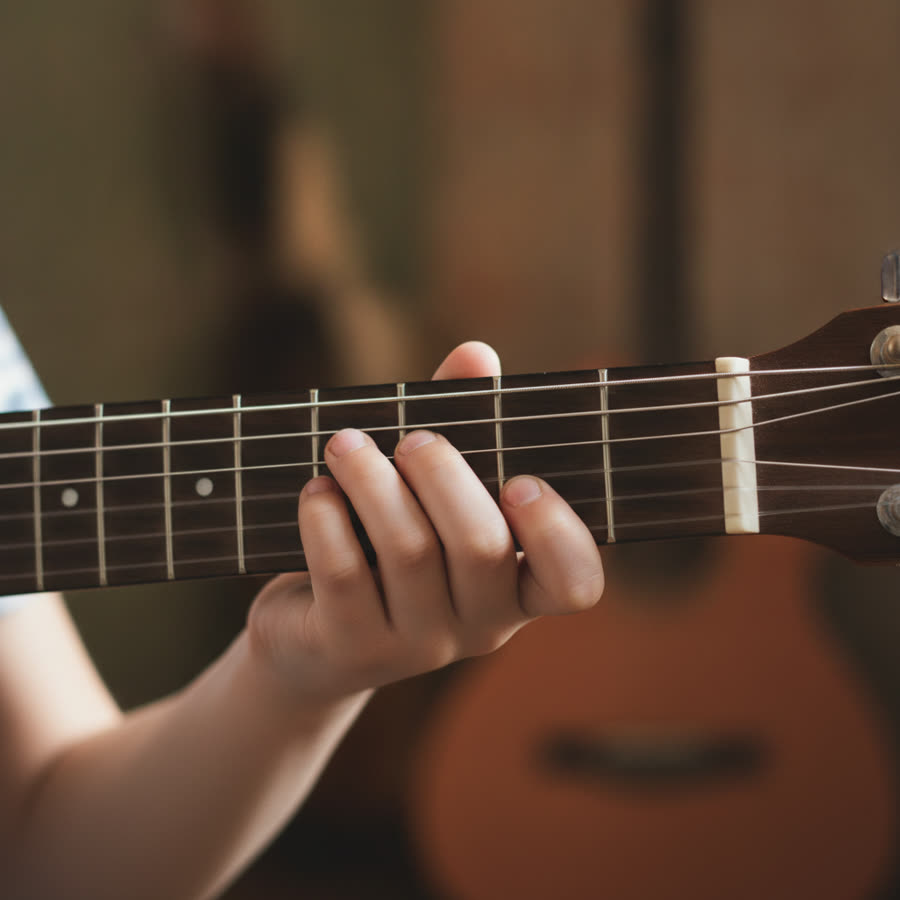
A toddler stacking small blocks with a pincer grasp A child threading beads onto a string A child cutting with child-safe scissors A pre-teen pressing guitar strings — precise finger work
Pincer & stack · ~2
Fine Motor & Dexterity

Elite: speed-invariant finger individuation, predictive grip-force, each hand running its own program. The hand as a masterable instrument.

Mastery arc ready
THE HINGE

Rhythm connects them.

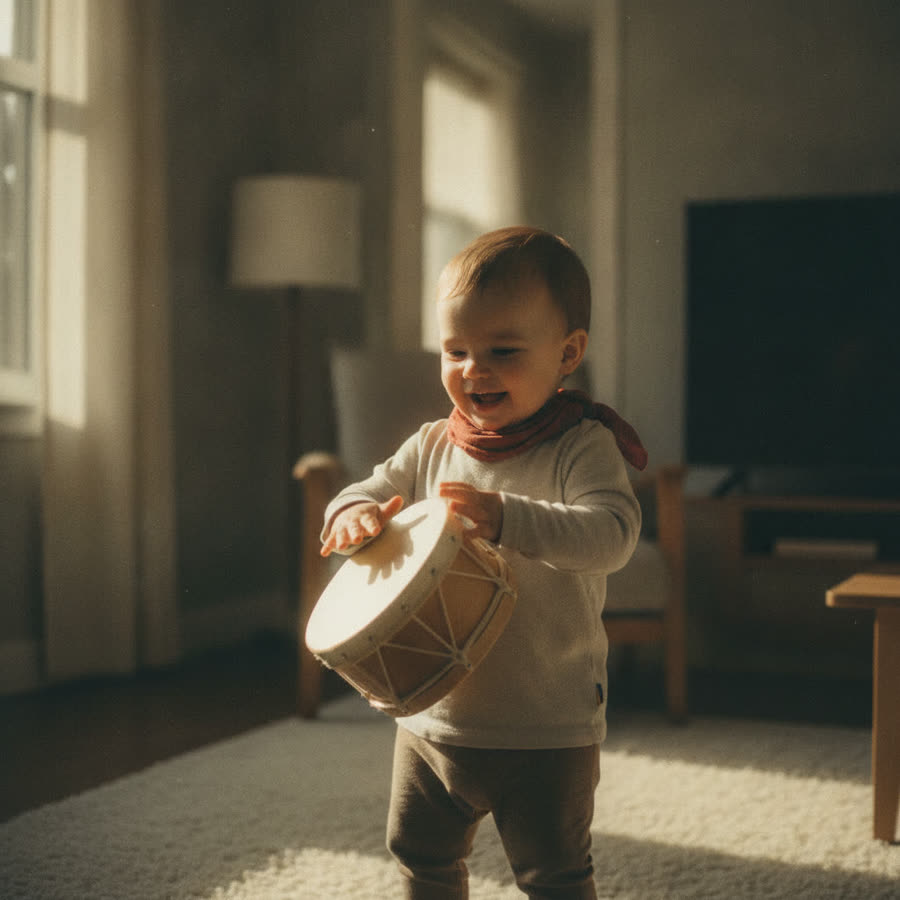
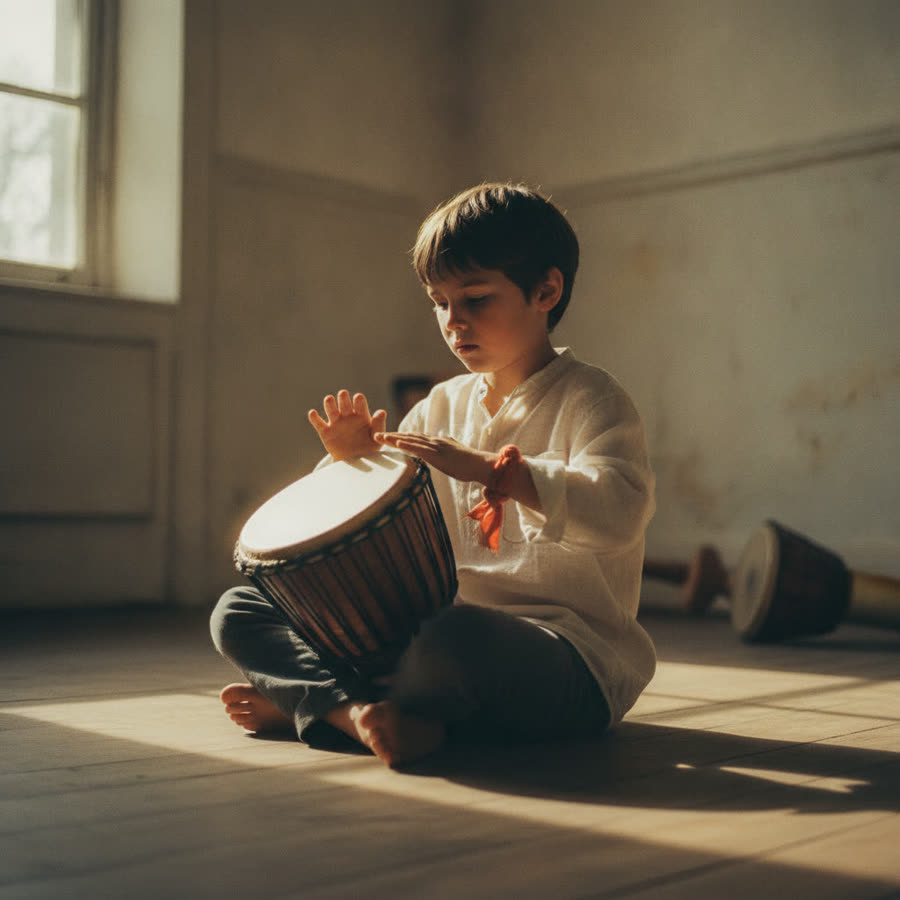
Rhythm · the arc
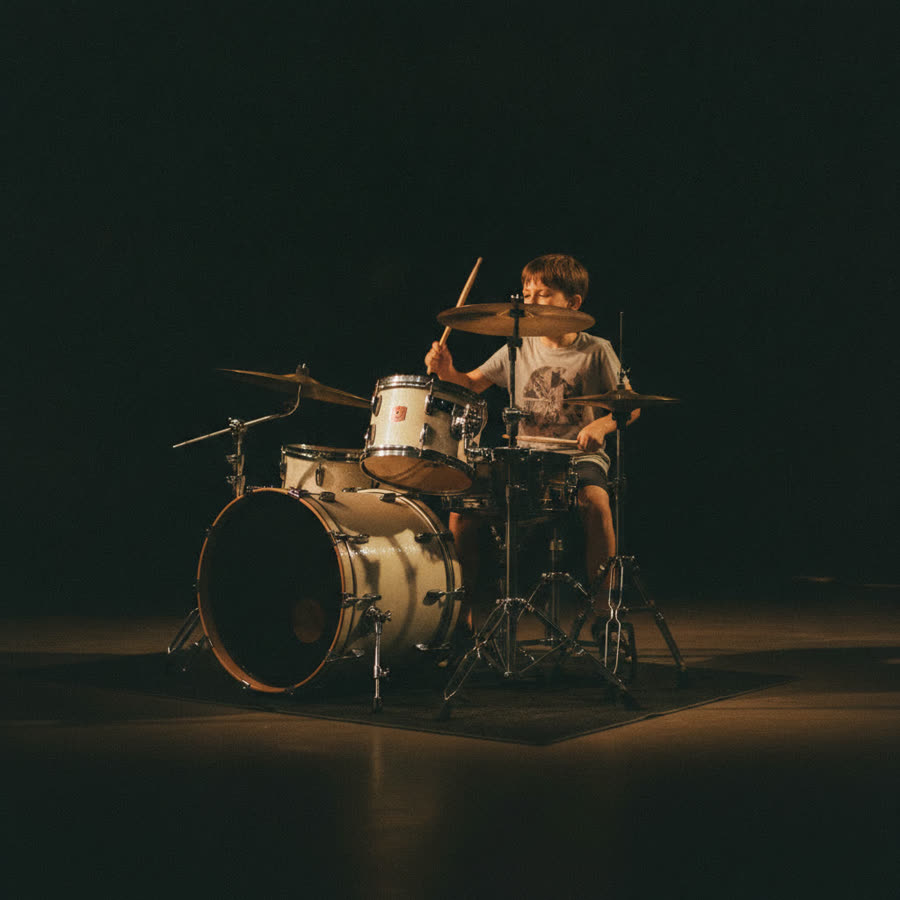
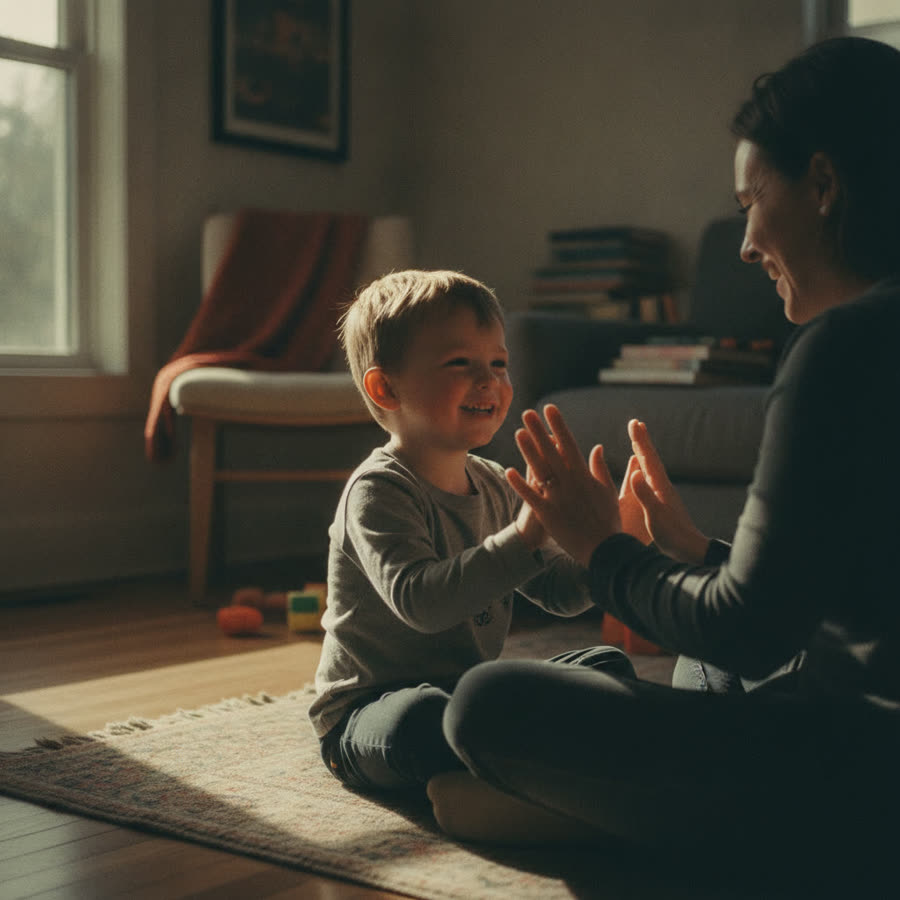
A toddler banging a drum A child clapping a rhythm game A child playing a djembe A child playing a drum kit
Bang a drum · ~2
MIND

The cognitive base.

Mind · the arc
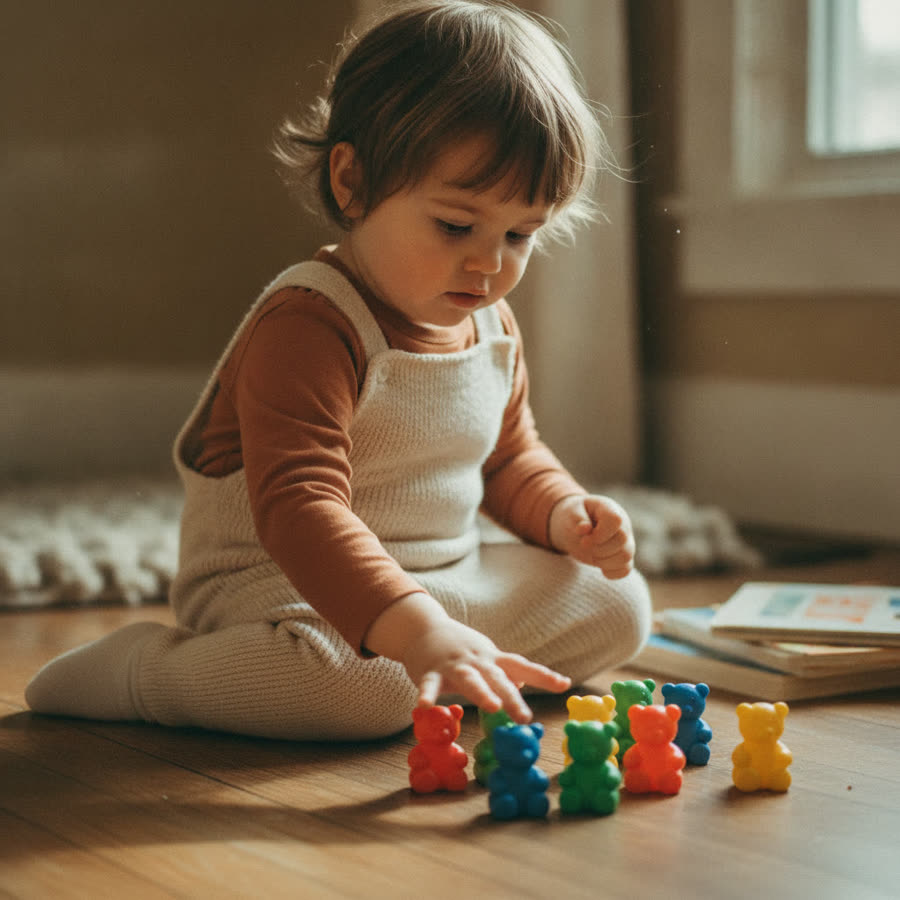
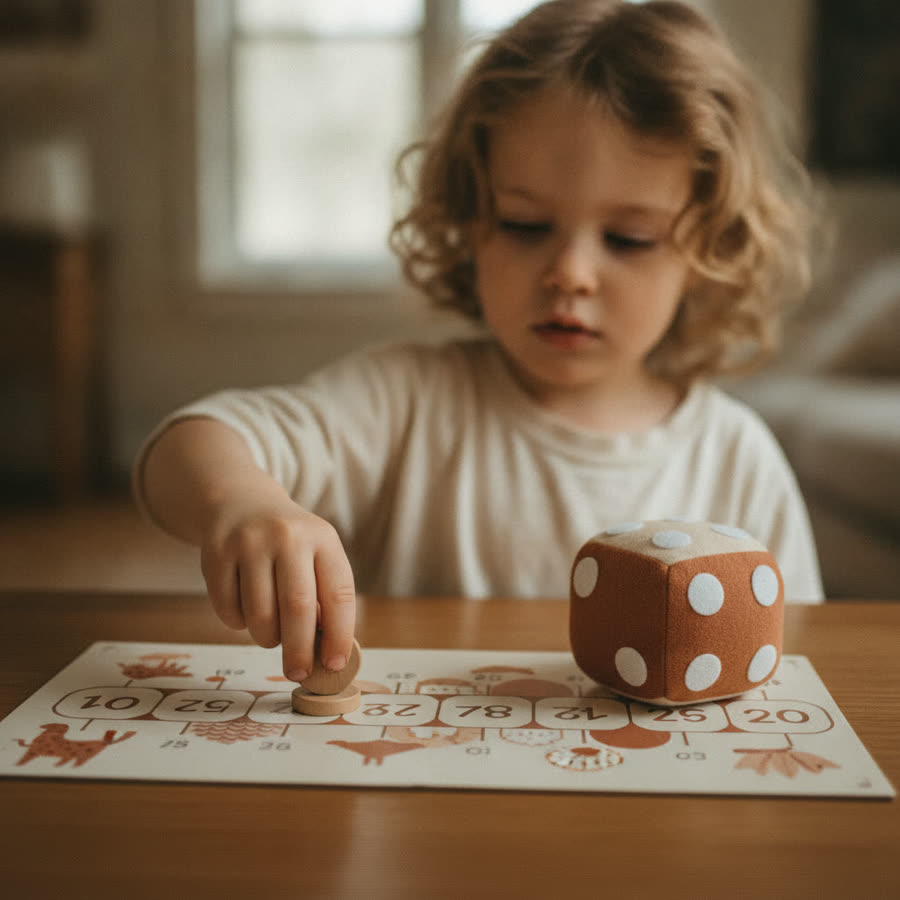
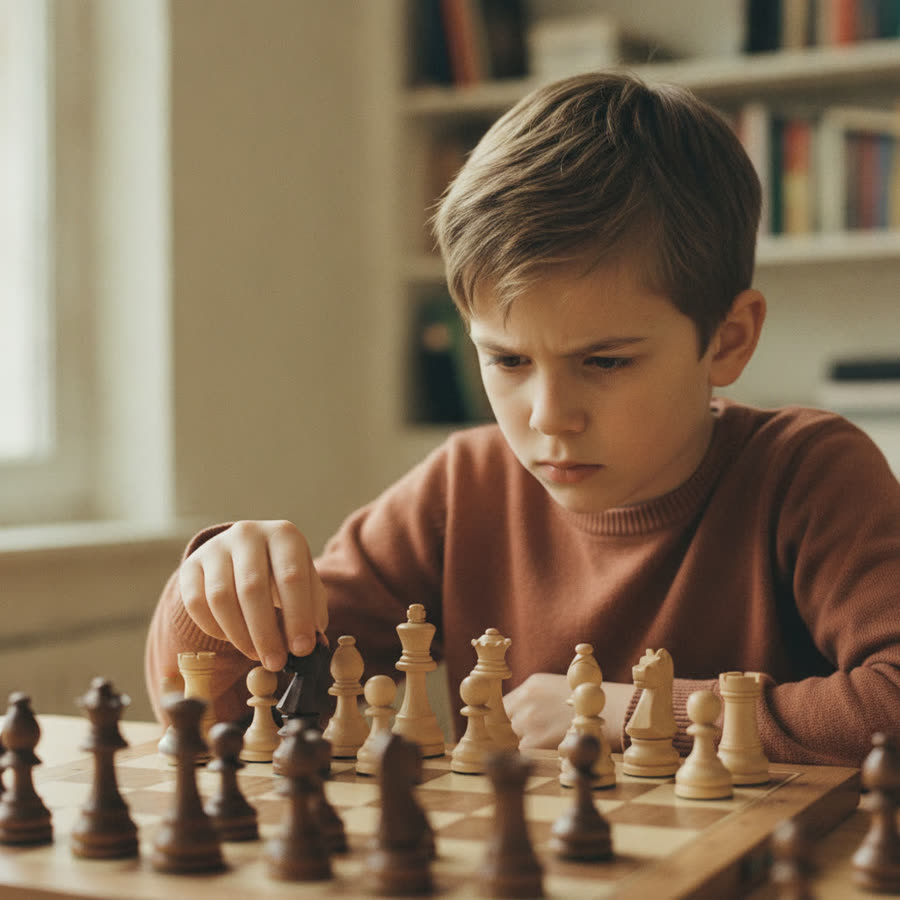
A toddler subitizing with counting bears A child on a number-line board with a dot die A nine-year-old solving a logic puzzle on paper A pre-teen deep in a chess game
Count the bears · ~3
Number Sense
Elite: quantity seen and felt, not computed — groupitizing past the 4-item wall, a linear number line across fractions & decimals, calibrated estimation.
Mastery arc ready
Spatial Reasoning
Elite: flat-slope mental rotation — "sees" whether forms match by recognition, not by turning them degree-by-degree. The STEM sleeping giant.
Mastery arc ready
Working Memory & Control
Elite: perturbation-proof cognitive control under maximal load — hold, filter, switch, inhibit, and self-repair a lapse within a breath.
Mastery arc ready
Pattern / Sequencing / Sets
The seed of algebra, structure, and code. "Find the rule" = a function. Uniquely predicts math through 5th grade.
Foundation mapped
Symbolic Representation
One thing stands for another — the shared root under letters, numerals, notes, and marks. Own it at 2 (stick = horse) and four alphabets become one.

Foundation mapped
Auditory / Phonological
The ear that hears sound-structure — the trunk under both reading (phonemes) and music (audiation, pitch).
Foundation mapped

Rhythm & Balance are the two live exemplars — each with its full emerging→elite ladder, "where's my kid?" markers, the cutting-edge method, and no-ceiling notes. Every "mastery arc ready" block has the same dossier waiting in the research (EXCELLENCE-IN-THE-FOUNDATION.md), built to the same template.

LANGUAGE

The language base.

Language · the arc
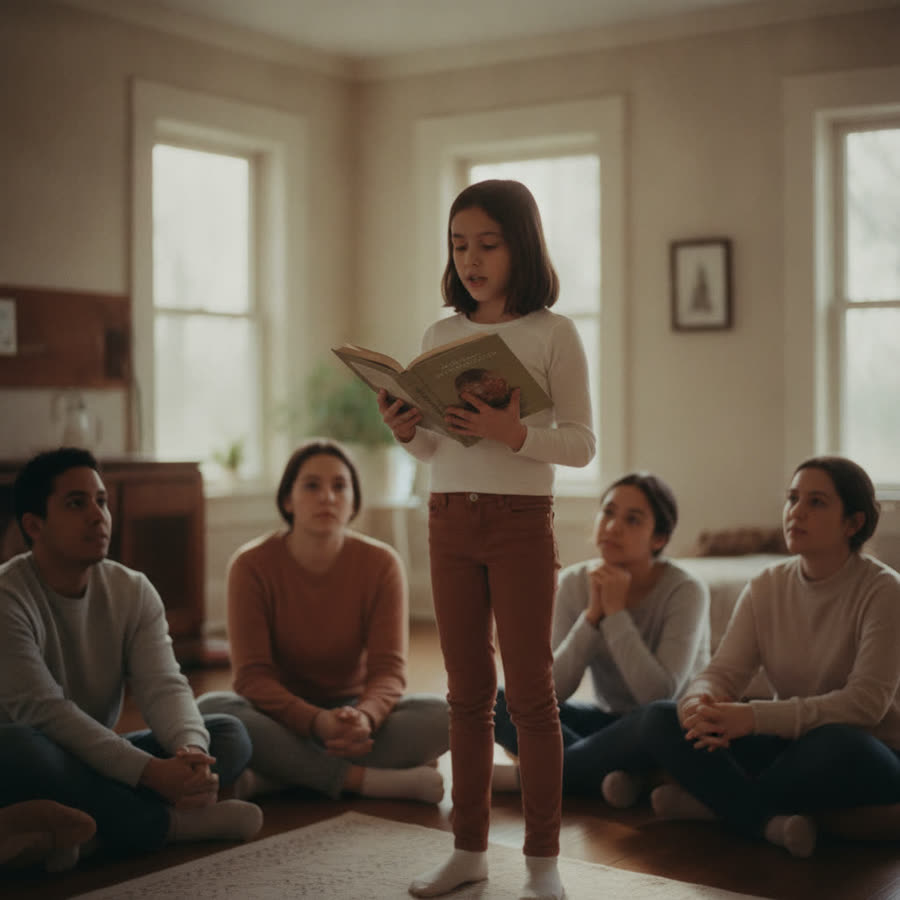
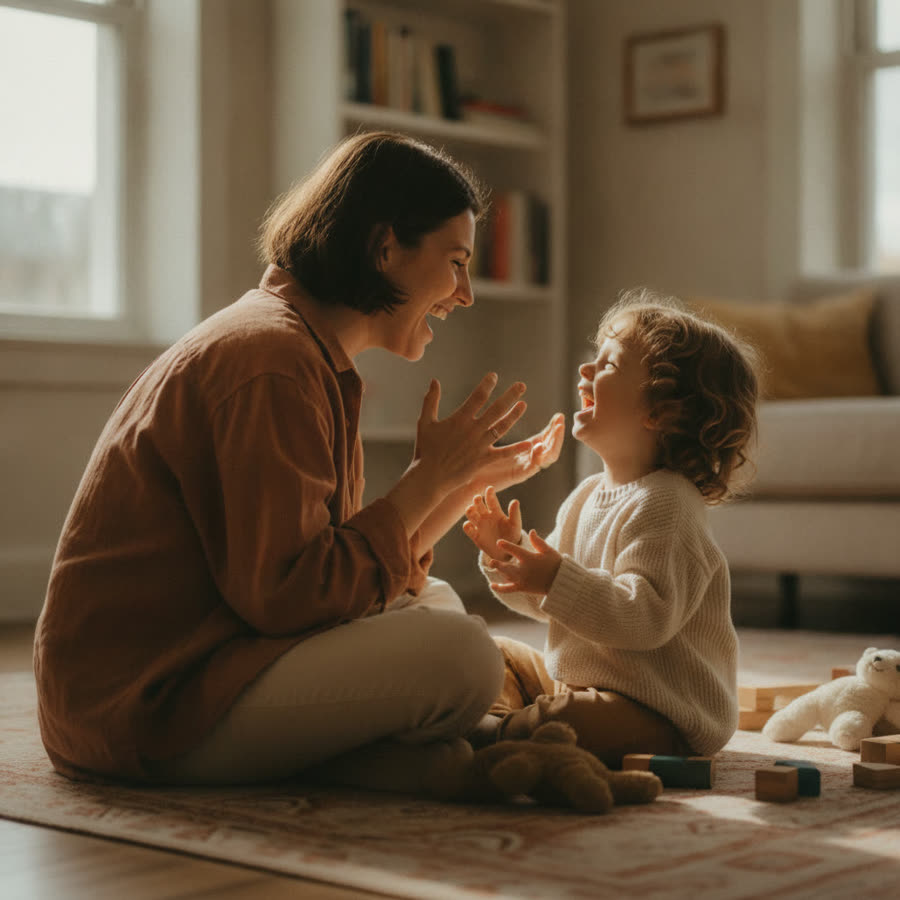
A toddler and parent in a rhyming word game A child reading a picture book aloud A nine-year-old writing a story A pre-teen presenting to a small group
Rhyme & babble · ~3

Reading is an output, not a foundation — it grows off the ear, the meaning-store, the stand-in code, and story sense, built years before the eye. So we build those. (The word gap is contested — we sell the back-and-forth, never a deficit scare.)

Oral Vocabulary & Grammar
Elite: a deep, connected word-web wielded in the back-and-forth — the ceiling on comprehension of every subject. Built in conversational turns, not word count.
● Dossier built
Phonemic Awareness
Elite: hears a word as sounds you can split, blend, and swap — through the make-or-break "blending wall" (/c/-/a/-/t/ → cat). The surest early predictor of reading.
● Dossier built
Alphabetic Principle
Elite: letters are stand-ins for sounds, not names — writes by sound, decodes the never-seen word. (The literacy face of Symbolic.)
● Dossier built
Oral Narrative
Elite: tells a coherent story cold — beginning, middle, end, character, problem, feelings. The comprehension & composition engine, built by dialogic reading.
● Dossier built
SOCIAL

The social base.

Social · the arc
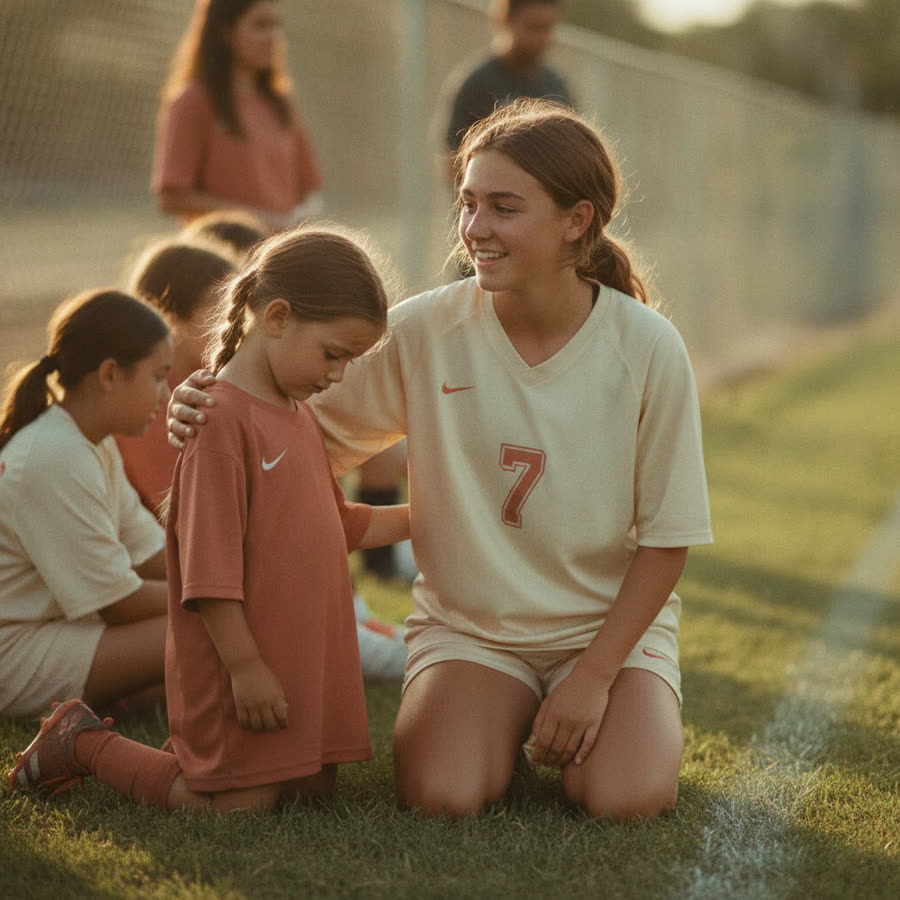
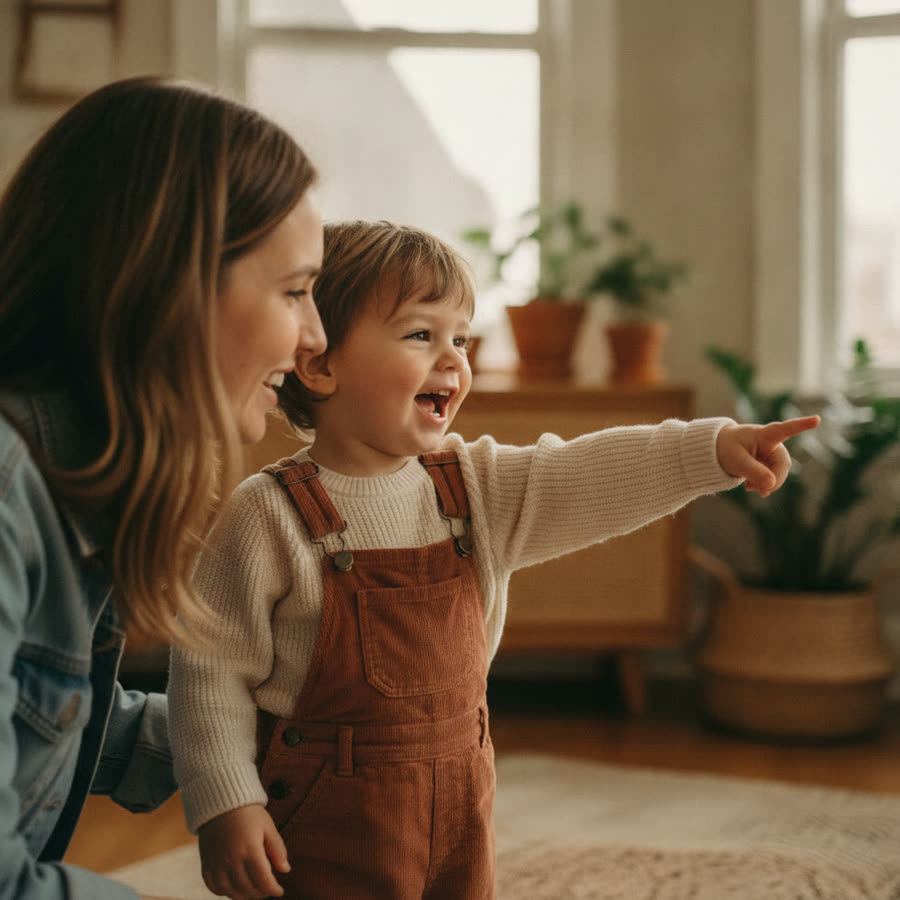
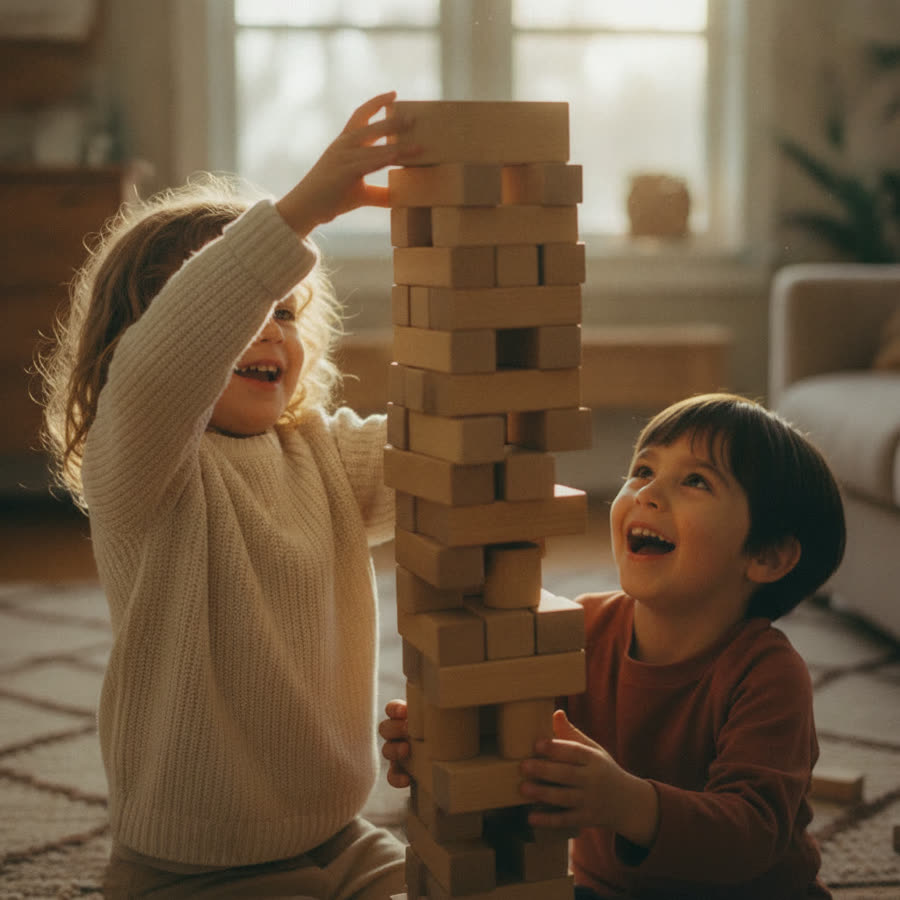
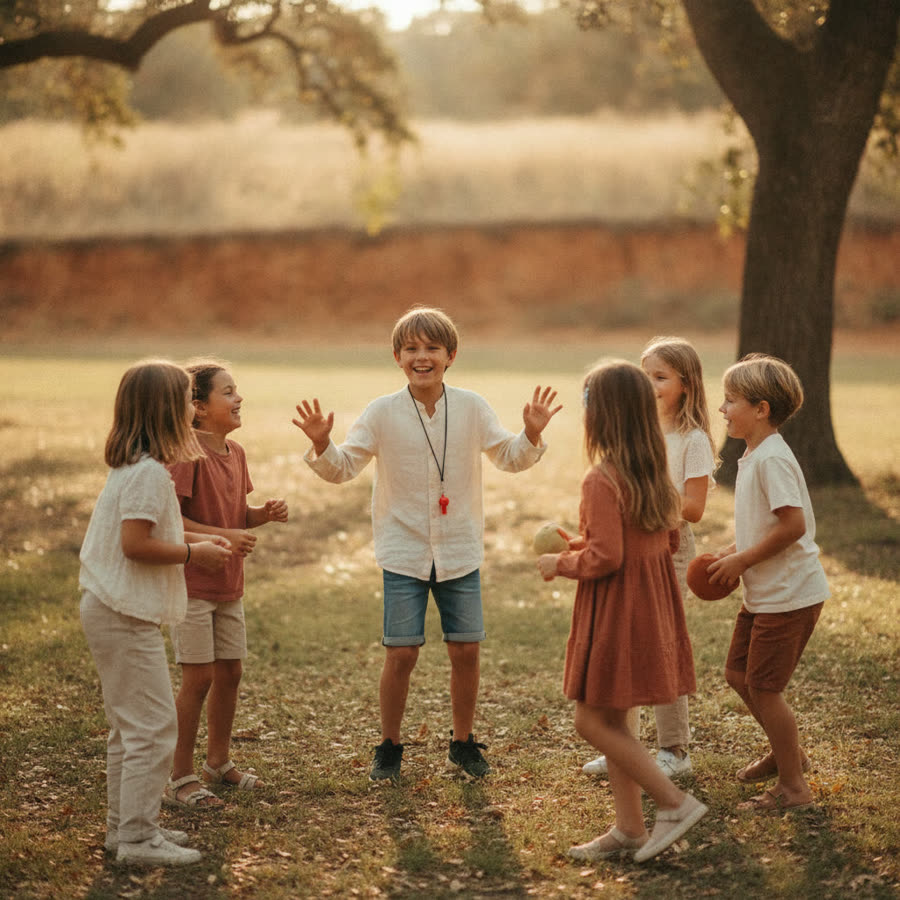
A toddler pointing to share with a parent Two children cooperating on a block tower A child leading a group game outdoors A young team captain encouraging a teammate
Point to share · ~3

Kindness, empathy, and reading a room aren't personality a kid is born with (or without) — they're built in the back-and-forth between you, from the first year. The rep isn't the calm moment; it's the reconnection after the hard one.

Joint Attention
Elite: the shared "we're-both-looking-at-this" triangle — the pre-verbal hinge that language itself grows out of.
Mapped · live in the coach
Conversational Reciprocity
Elite: serve-and-return — the back-and-forth turns (not adult word count) that literally build the language brain.
Mapped · live in the coach
Theory of Mind
Elite: reads the invisible — others want, feel, and believe things you don't. Trainable; the proven lever is talking about minds out loud.
Mapped · live in the coach
Cooperation & Prosociality
Elite: the "we" mode — a shared goal, complementary roles, and helping unprompted. The helping urge is already there ~14 months — don't reward it, protect it.
Mapped · live in the coach
EMOTIONAL

The emotional base.

Emotional · the arc
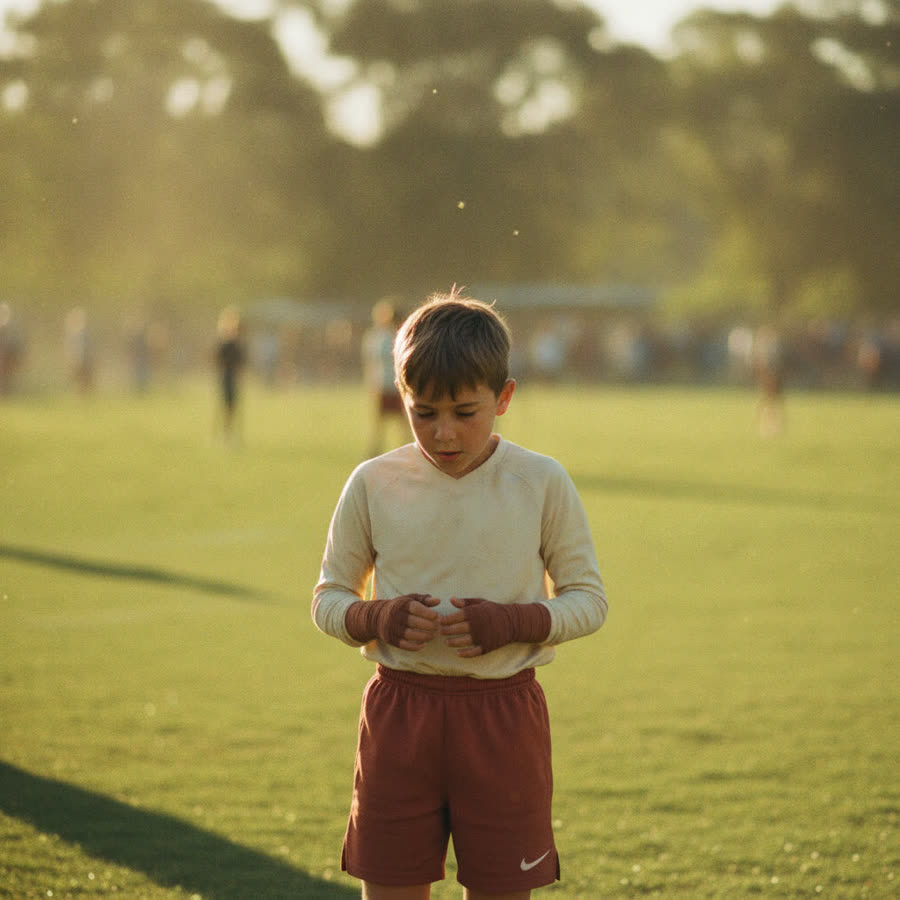
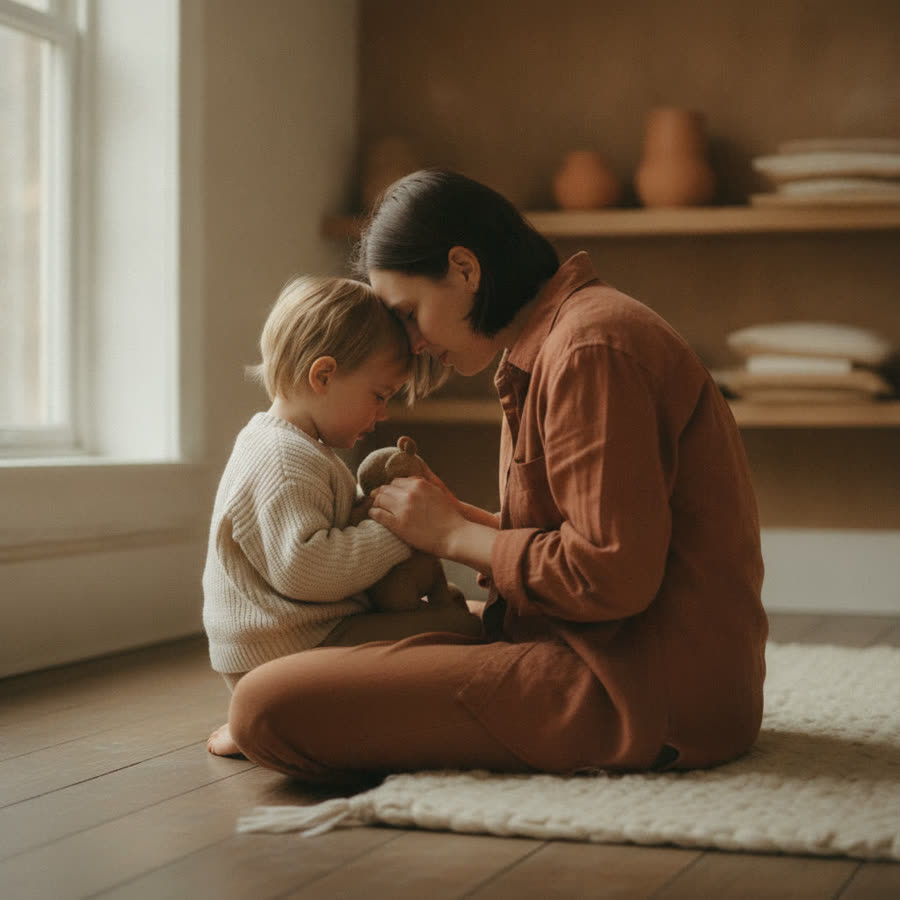
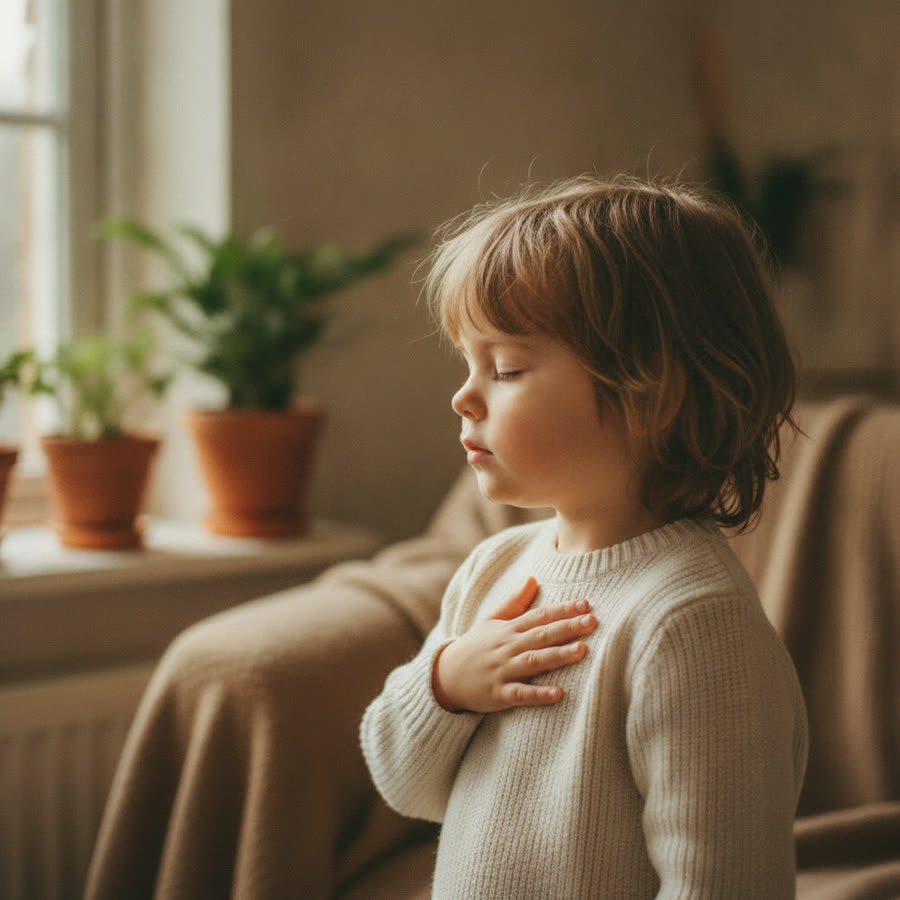
A parent co-regulating an upset toddler A child taking a calming breath, hand on chest A nine-year-old staying composed through frustration A composed pre-teen steadying themselves before a big moment
Borrow your calm · ~3

Self-regulation isn't fixed temperament and it isn't willpower — it's a skill. We score the recovery, never the size of the storm.

Emotional Granularity
Elite: a precise word for a precise feeling — "name it to tame it" (labeling a feeling measurably down-regulates it).
Mapped · live in the coach
Interoception
Elite: reads the body's early-warning signals — the racing heart, the tight tummy — a window to act before the storm crests.
Mapped · live in the coach
Distress Tolerance
Elite: not a calm child — a child who recovers. Built by staying in a just-hard-enough task while an adult models the recovery out loud.
Mapped · live in the coach
Delay of Gratification
Elite: the wait as trust + strategy, not willpower — a reliable payoff and a cool trick, never an endurance test.
Mapped · live in the coach
CREATIVE

The creative base.

Creative · the arc
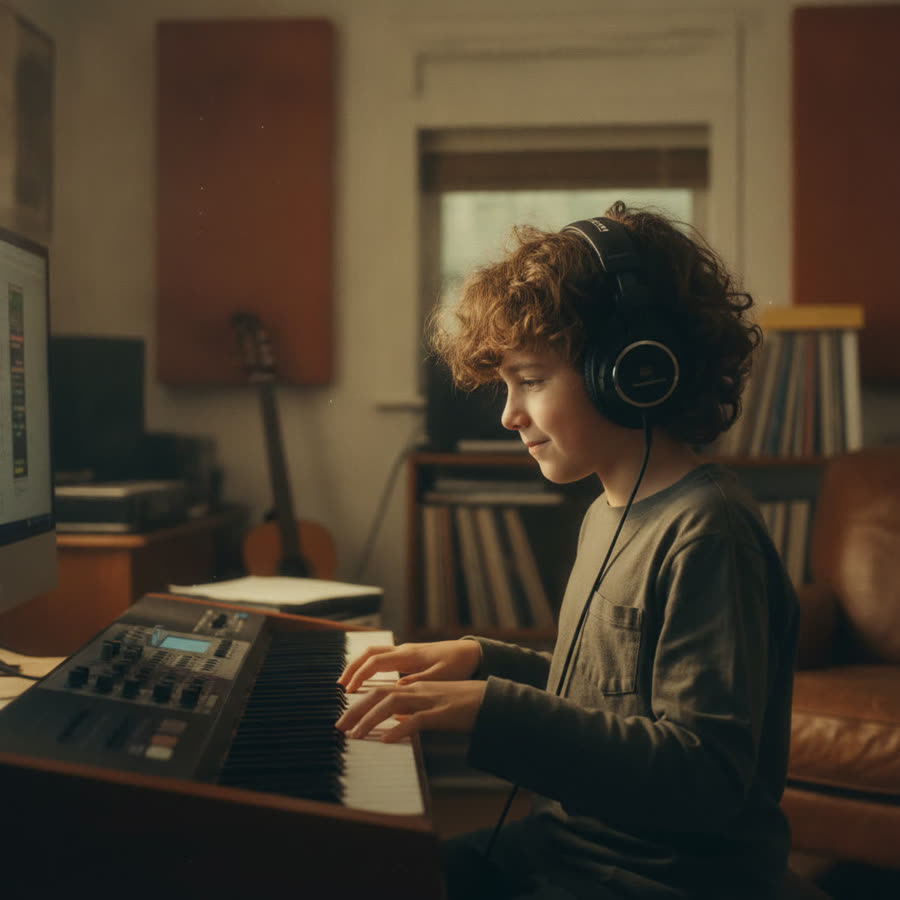
A toddler scribbling with crayons A child painting and building a cardboard fort A nine-year-old making an elaborate observational drawing A pre-teen composing music at a keyboard
Scribble & pretend · ~3

"Creative" isn't who a child is — it's a skill they build, and the everyday environment feeds it or prunes it. Feed it; don't grade it (measuring creativity suppresses it).

Divergent Thinking
Elite: the "how many ways…?" habit — many ideas, many categories, before judging any. Trainable; the training wheel is the one-right-answer reward.
Mapped · live in the coach
Imaginative / Pretend Play
Elite: "a stick is a horse" — the symbolic-transformation engine, and the rehearsal ground for narrative and reading other minds.
Mapped · live in the coach
Audiation
Elite: hearing music in the mind — "thought for music." Build the inner ear before notation. (Rhythm is the when; this is the what.)
Mapped · live in the coach
Making & Seeing
Elite: loose-parts material fluency, and drawing what you see — not the stored symbol. One activity, many gains.
Mapped · live in the coach
THE DIAL UNDER EVERYTHING · REGULATION & CHARACTER

This isn't a seventh subject — it's the multiplier under all six. A settled, curious, gritty child learns everything faster; a dysregulated one can't reach the thinking brain at all. So this scales every domain above — and the biggest lever is often you: kids read your reaction to failure, not your words. We build it through co-regulation (borrow your calm — the rep is the repair after the rupture), effortful control (hold a rule, wait — the game is the test), growth-mindset framing (praise the process; meet failure with "what did that teach us?" — score yourself), and curiosity & agency (chase the new; own the effort without a bribe). Grit isn't a foundation — it's the readout that rises when these do.

THE ISOLATIONS · THE HACK

Isolate one block. Build it directly.

This is the hack. Most people put the kid in the game — soccer, piano, a math class — and hope the athleticism (or the ear, or the number sense) shows up. The One Percent isolates the foundation and builds it directly — then play is where it shows up, combined and tested. Each isolation is ageless: you change the load, not the activity — it runs from the first rep to elite and never ages out.

BlockThe isolation — build it directlyLoad it across the arc · Instill → Elite
StabilityBear crawl · plank · stability ballhold → add limb lifts → unstable surface → loaded carries
BalanceSingle-leg · wobble board · balance bikeeyes open → eyes closed → unstable + reactive nudge → single-leg under a task
RotationBand pull · med-ball throwslow → faster → single-arm → full hip-to-hand chain
GripDead/active hang · monkey barshang longer → feet-up → traverse → one-arm progressions
StrengthMed-ball slams · crawls · bandsbodyweight → heavier ball → single-limb → full-range loaded
Reactive strengthQuiet-feet "stick it" · pogossoft landing → stick → bounce → single-leg depth jumps
DecelerationStick-landing · cone cutstwo-foot stop → single-leg → planned cut → reactive cut from speed
RhythmClap-and-count · partner drumsteady beat → subdivide → polyrhythm → micro-timing
Number senseDot dice · linear number linecount → magnitudes → number line to fractions → fast estimation
SpatialBlocks/LEGO · puzzles · origamistack → copy a model → build from a 2-D plan → mental rotation
Working memorySimon Says · inhibition gamesone rule → invert it → hold + switch several → dual-task
Fine motorPlaydough · threading · drawpinch/roll → letters & numbers → detailed → instrument-grade

Isolate to build (here) · play to test (the integrated game that spans blocks). Full tools, cost & safety in FOUNDATIONAL-HACKS.md; each block page carries its isolation in full at every level.