1%
A FOUNDATIONAL MASTERY METHODOLOGY FOR KIDS — NOT A TRAINING PROGRAM

Master the
foundation. The
outcome comes.

Faster, stronger, sharper — every outcome a parent wants grows off the same handful of foundational building blocks. We don't train the outcome; we build the base it's made of — to mastery, early. Master the foundations almost nobody masters, and the ceilings fall away — across sport, music, learning, life.

Start here — the first 3 weeks → See the foundations
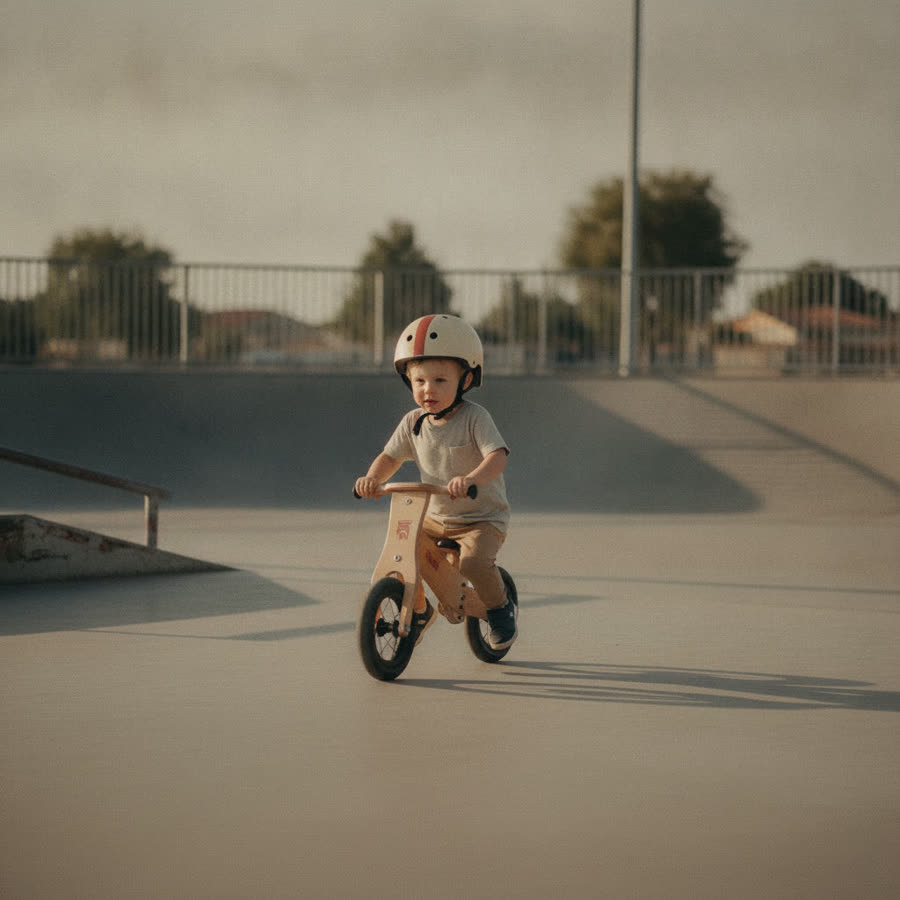
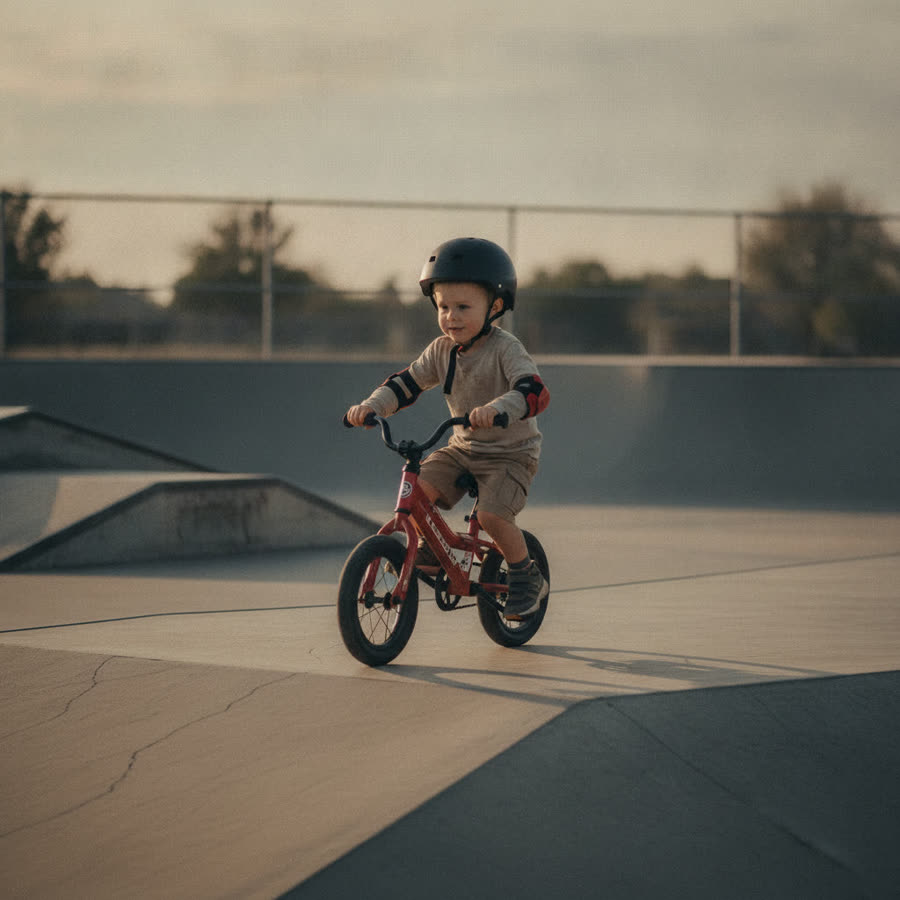
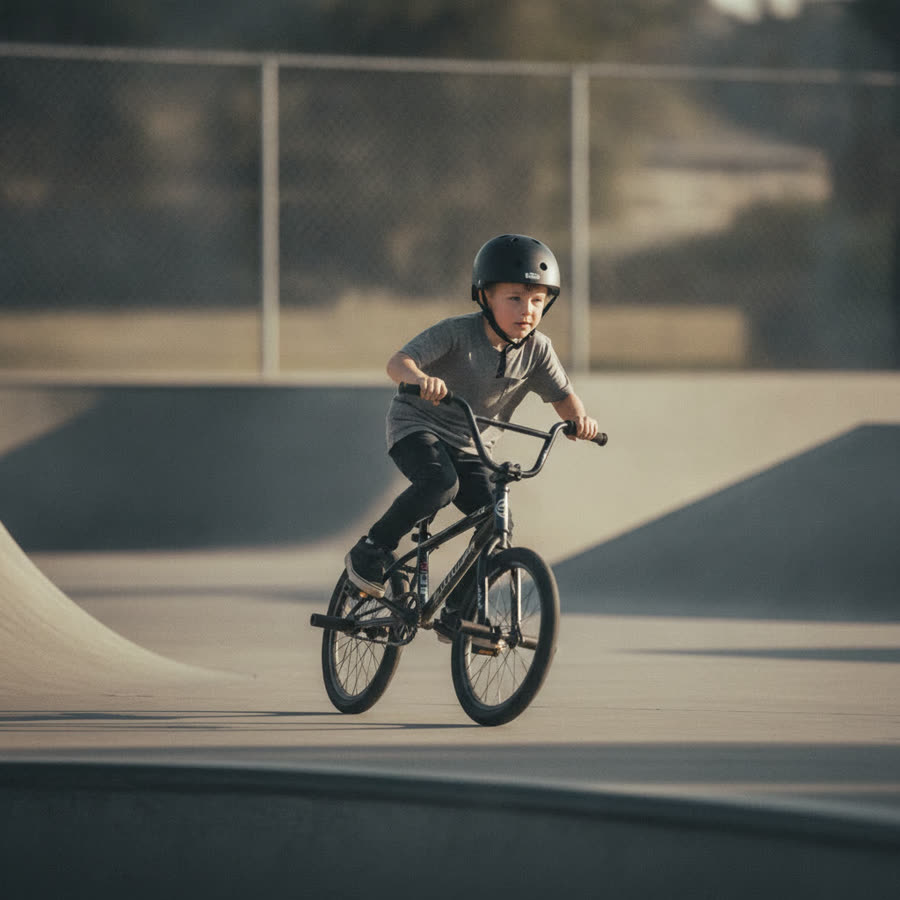
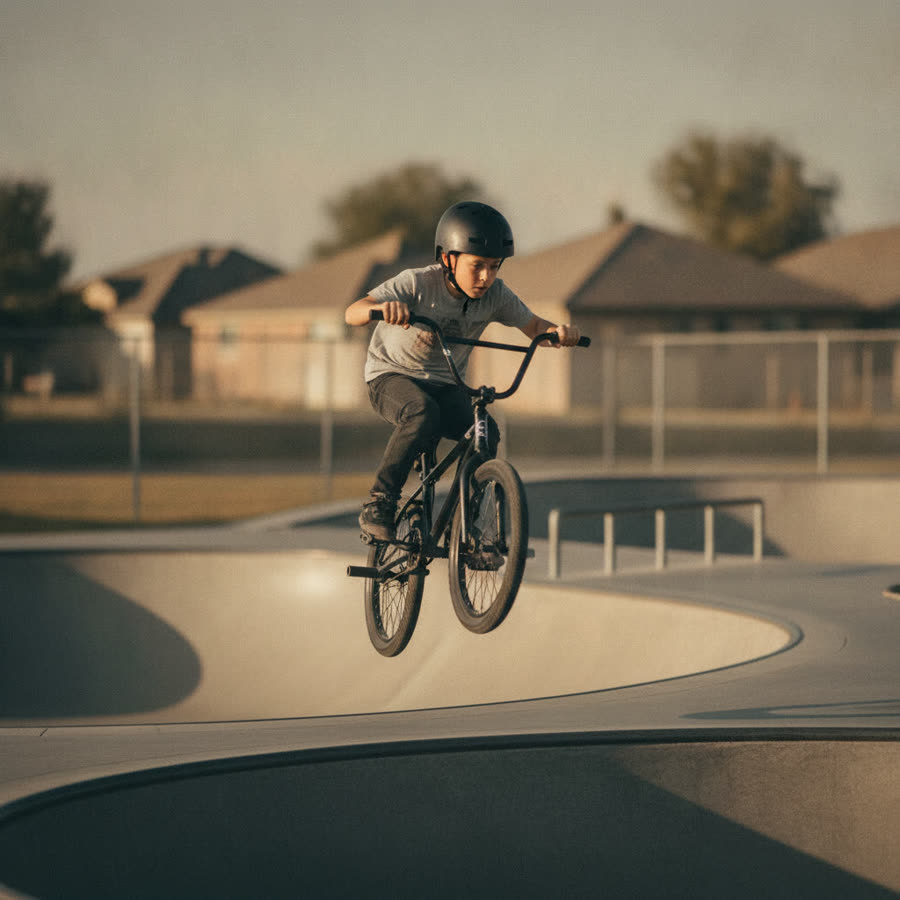
Ride a bike · the arc
A 2-year-old on a balance bike A 4-year-old pedaling with no training wheels A 6-year-old riding a BMX hard A 9-year-old airborne off a skatepark ramp
Balance bike · ~2
WHAT THIS IS

Two things. That's it.

1 · The foundations — what we build

A handful of universal building blocks — balance, rhythm, reactive strength, rotation, coordination, number sense, control. We build them to mastery, early. This is the whole product.

2 · Everything that grows off them — the proof

Faster, stronger, agile — reads sooner, plays music, focuses, creates. These are outcomes, not lessons. You never chase them directly; you build the block and they follow. So every "how do I…" here has one answer: master the foundation.

Reactive strength · the arc
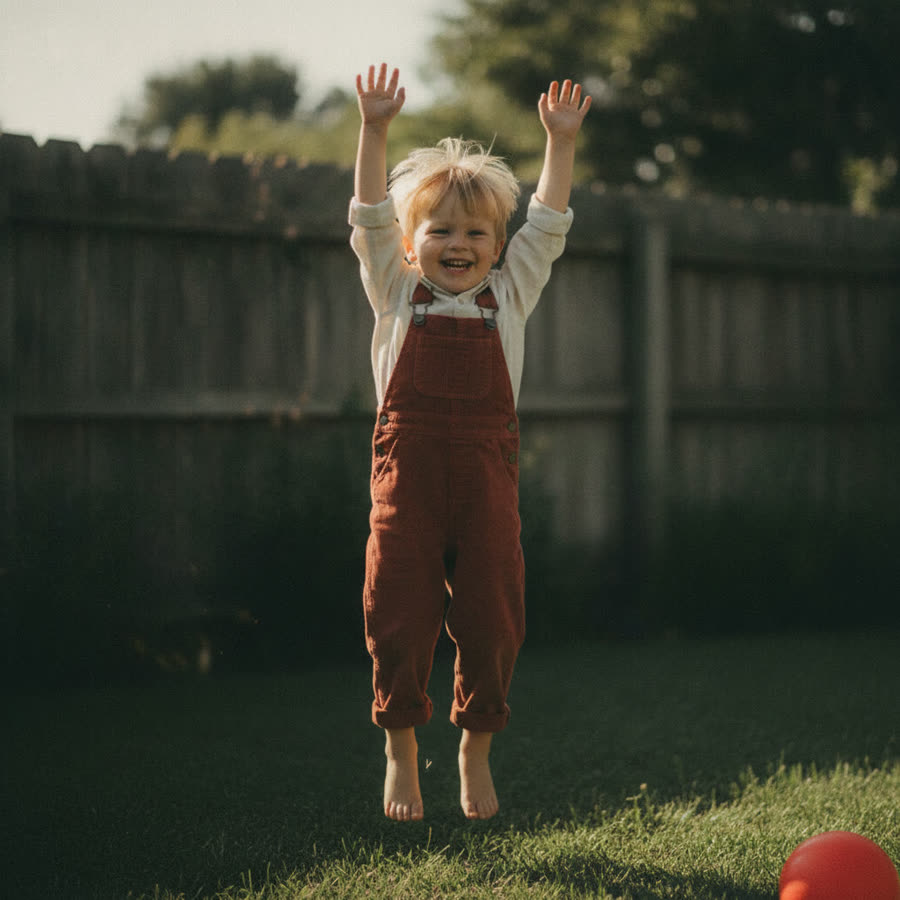
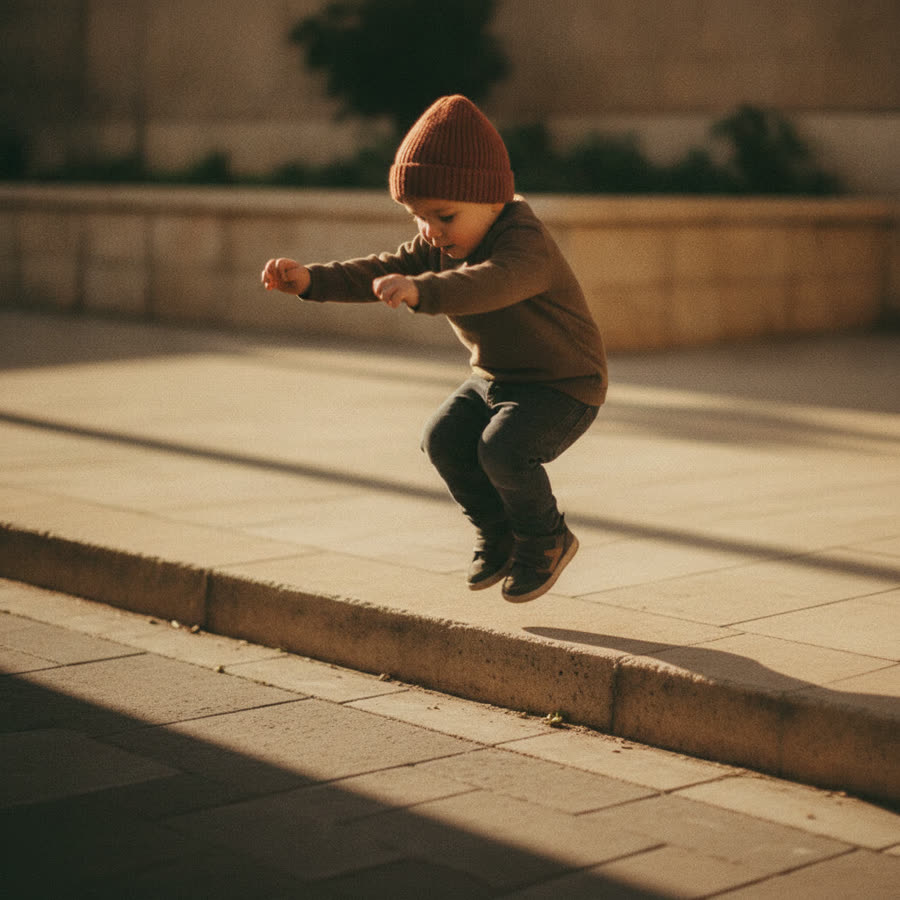
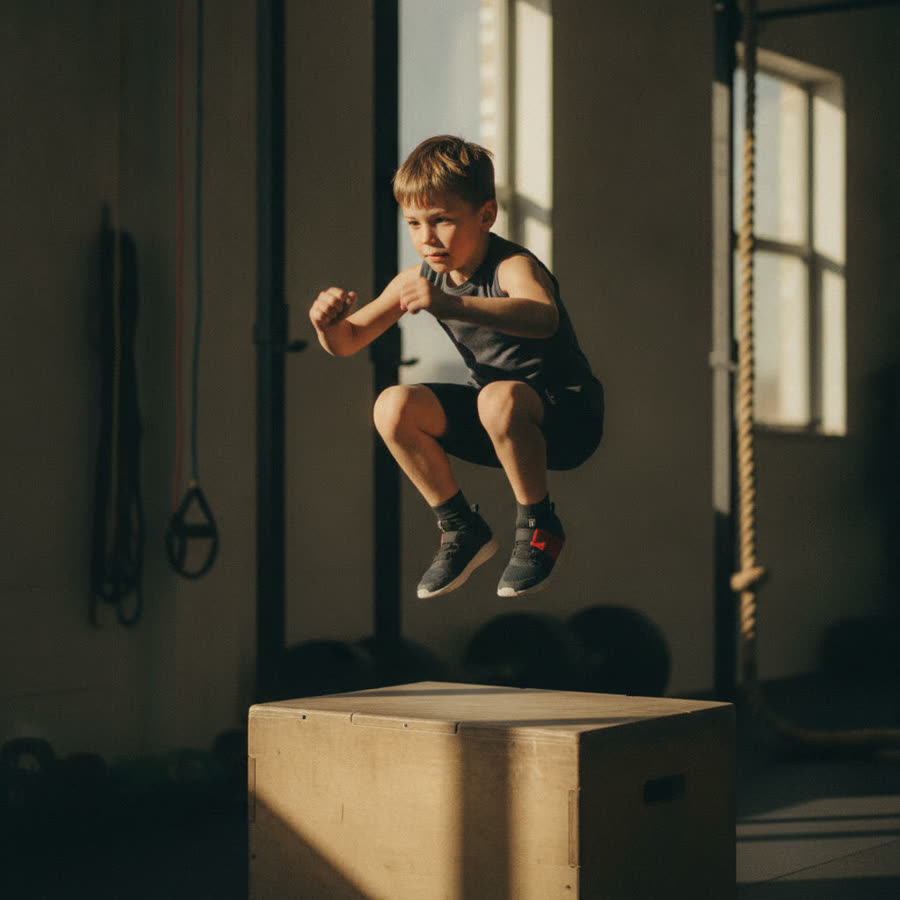
A toddler jumping with joy A child sticking a landing off a step A child doing a box jump A child airborne in a broad jump
Two-foot hop · ~2

Don't chase the outcome.
Master the foundation — the outcome comes.

START HERE

The foundations.

Every block: what it is, what elite looks like, where your kid is on the mastery ladder, and the cheap fun play that builds it.

WHY EXCELLENCE IN THE FOUNDATION

Confidence is a by-product
of mastery.

Most people treat a foundation as a checkbox — "can she balance? can he keep a beat?" — tick it and jump to the subject. But the height you build the block to quietly sets the ceiling on everything above it. A child who can "balance" and one whose control is perturbation-proof and no longer needs attention aren't at two points on a task — they're at two points on the same foundation, and the second brings a categorically better platform to everything.

Rhythm · the arc
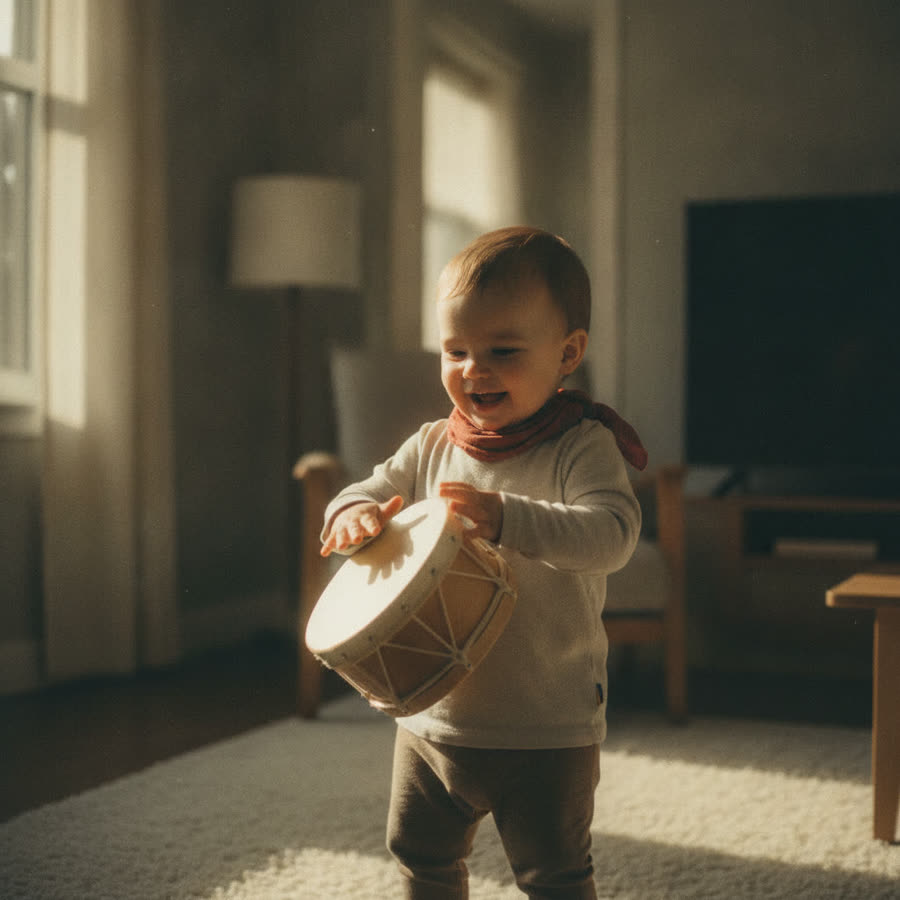
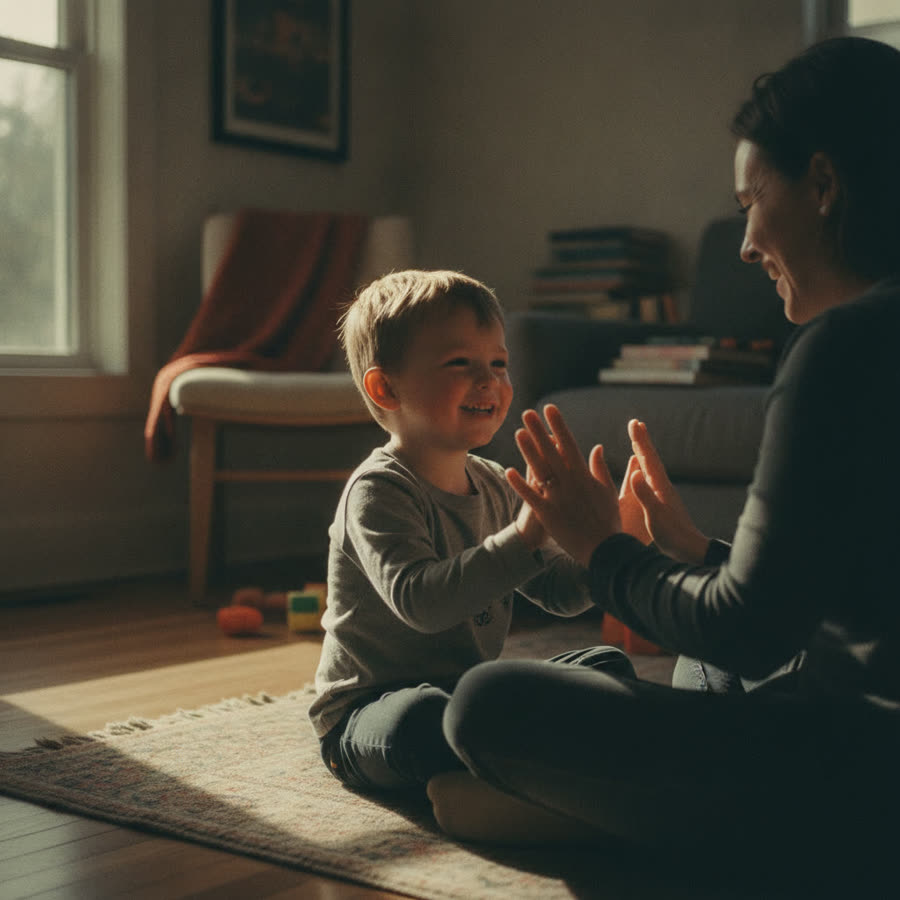
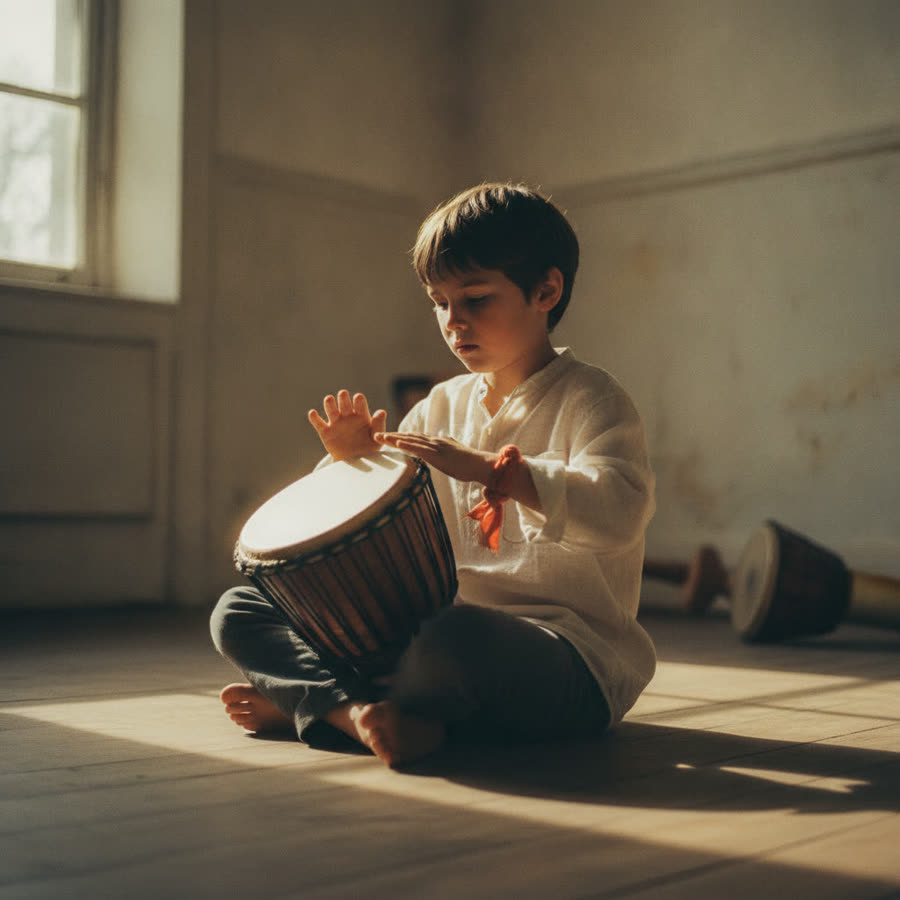
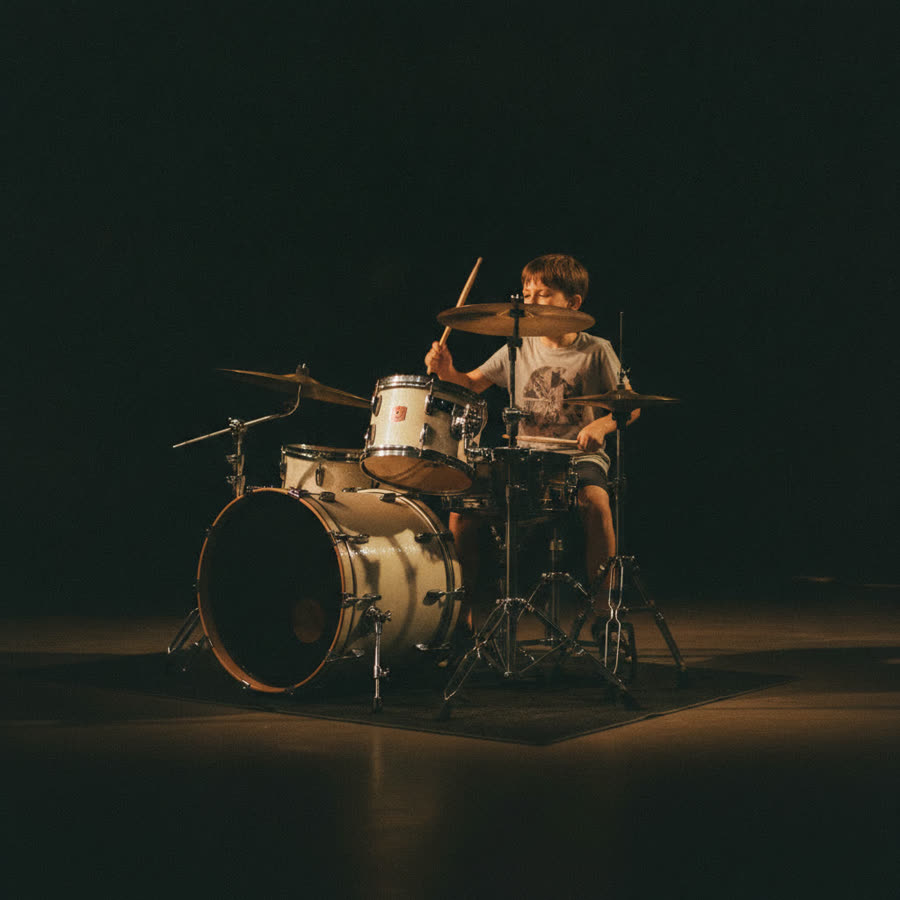
A toddler banging a drum A child clapping a rhythm game A child playing a djembe A child playing a drum kit
Bang a drum · ~2
THE HONEST PART

Mastery is the #1 source of confidence — you can't lecture it in; it's the residue of having done hard things. And emotional regulation isn't a subject we teach: it's the condition (a joyful, safe, stay-with-the-child state — fear degrades the whole learning system) and the by-product (the calm that comes out of earned mastery). We hold the state, do the work, and let confidence grow.

Our discipline, on the record: build the block, not the task · the real cutting edge only (no "makes your kid smarter" hype — no block does) · no ceilings — never too soon, never too late (you start at a level, not an age; every rung is a floor to push past, not a wall to wait behind).